



Top Festivals Worth Traveling For
Festivals are more than just celebrations—they are vibrant expressions of a region’s culture, history, and spirit. Around the world, festivals unite communities, attract travelers, and create unforgettable memories. Whether you’re drawn by music, food, religious rituals, or dazzling displays, attending a festival can be the highlight of any journey. This guide explores some of the world’s most extraordinary festivals worth traveling for, offering insight into their origins, what to expect, and tips for making the most of your festival experience.
1. Carnival – Rio de Janeiro, Brazil
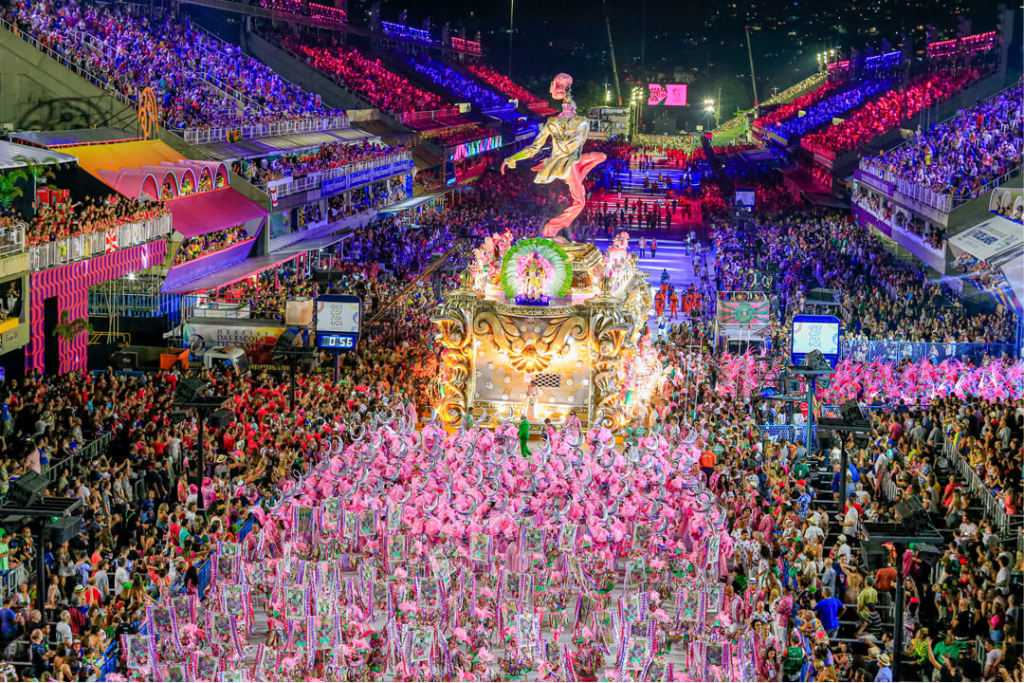
When: February or March (dates vary with Lent)
Why Go: Carnival is the world’s largest and most famous festival, drawing millions to the streets of Rio for a week of samba, parades, and non-stop parties. The city explodes with color as samba schools compete in the Sambadrome, while street parties (blocos) fill every neighborhood.
Highlights:
- Dazzling costumes and floats
- Samba dancing and music
- Electrifying atmosphere
- Inclusive, city-wide celebration
Tips: Book accommodations and tickets to the Sambadrome months in advance. Join a bloco for a more local experience.
2. Diwali – India
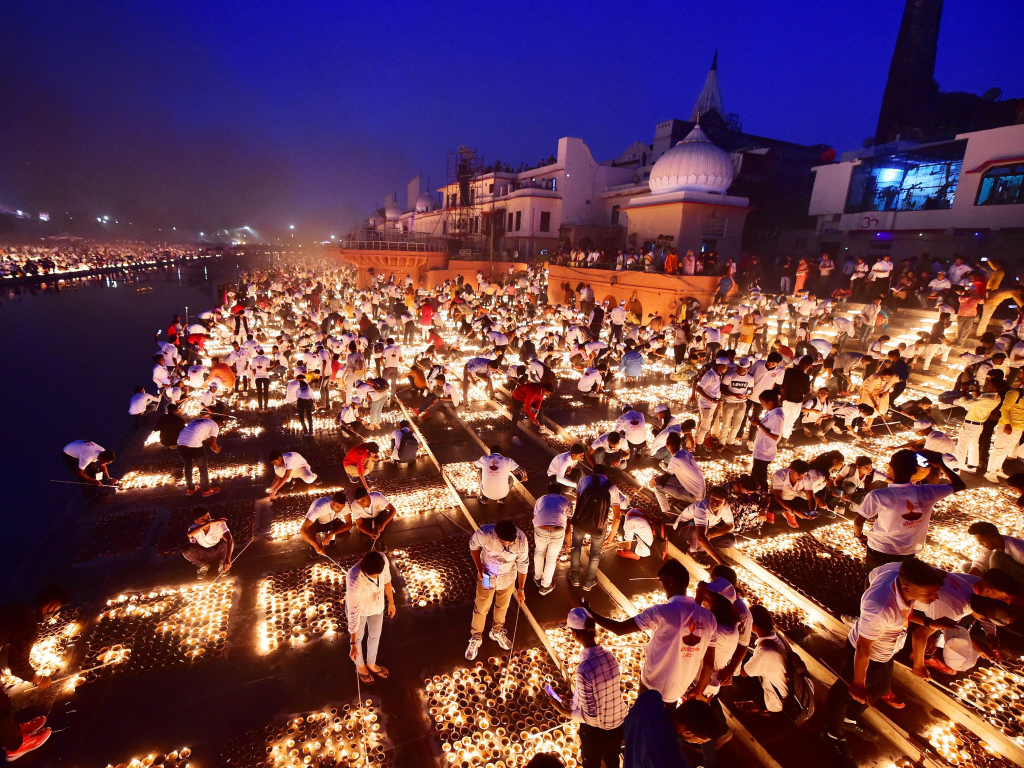
When: October or November (dates vary by lunar calendar)
Why Go: Known as the Festival of Lights, Diwali is celebrated across India and by Indian communities worldwide. Homes and streets are decorated with oil lamps, candles, and fireworks. Families gather to share sweets, exchange gifts, and honor Lakshmi, the goddess of wealth.
Highlights:
- Illuminated cities and villages
- Firework displays
- Traditional sweets and feasts
- Cultural performances and rituals
Tips: Experience Diwali in cities like Jaipur or Varanasi for the most spectacular celebrations.
3. La Tomatina – Buñol, Spain
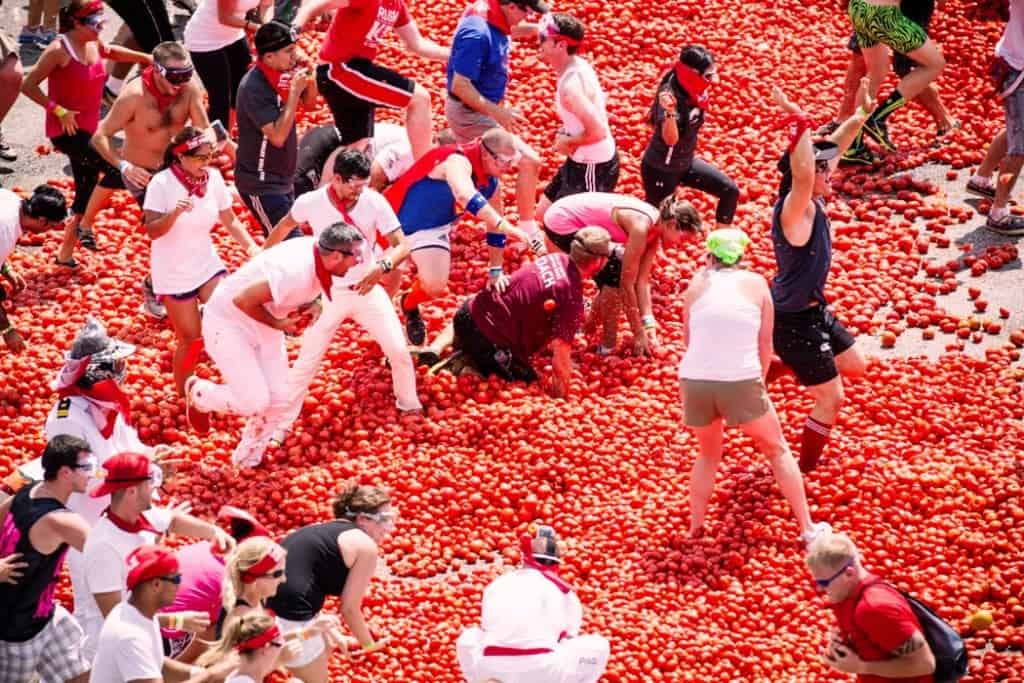
When: Last Wednesday of August
Why Go: La Tomatina is the world’s biggest food fight, where thousands gather to hurl overripe tomatoes at each other in the streets of Buñol. It’s messy, exhilarating, and utterly unique.
Highlights:
- One hour of tomato-throwing mayhem
- Live music and street parties
- A playful, communal spirit
Tips: Wear old clothes, goggles, and waterproof shoes. Arrive early as the town fills up quickly.
4. Holi – India and Nepal
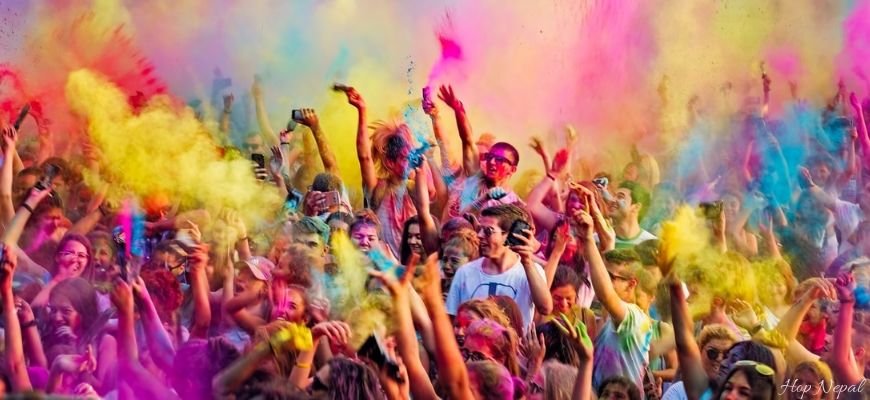
When: March (dates vary by lunar calendar)
Why Go: Holi, the Festival of Colors, marks the arrival of spring. Revelers throw colored powders and water, dance to music, and share sweets. The festival is a joyful celebration of love, renewal, and the triumph of good over evil.
Highlights:
- Vibrant color fights
- Traditional songs and dances
- Sweets like gujiya and thandai
- A sense of unity and joy
Tips: Celebrate in cities like Mathura or Vrindavan for the most authentic experience. Protect your eyes and camera from the powder.
5. Oktoberfest – Munich, Germany
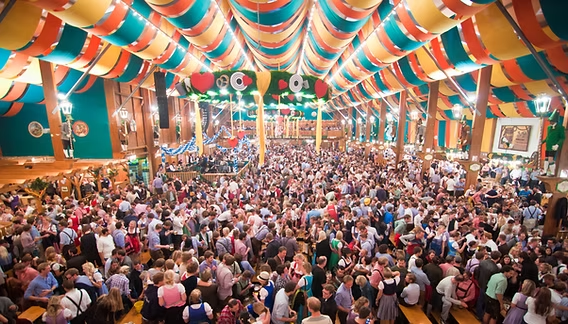
When: Late September to the first Sunday in October
Why Go: Oktoberfest is the world’s largest beer festival, attracting millions to Munich for two weeks of Bavarian culture, music, and, of course, beer. Traditional tents serve hearty food, and everyone dresses in dirndls and lederhosen.
Highlights:
- Giant beer tents and steins
- Bavarian music and dancing
- Traditional foods like pretzels and sausages
- Carnival rides and parades
Tips: Reserve a table in advance, especially for weekends. Try different tents for a variety of atmospheres.
6. Chinese New Year – China and Chinatowns Worldwide
When: January or February (dates vary by lunar calendar)
Why Go: Chinese New Year, or Spring Festival, is China’s most important holiday. It’s celebrated with fireworks, dragon and lion dances, family reunions, and feasts. Cities like Beijing and Hong Kong come alive with lanterns and parades.
Highlights:
- Fireworks and lantern displays
- Traditional dances and performances
- Family banquets and dumplings
- Festive markets
Tips: Book travel early, as this is peak season. Join public celebrations in major cities for the best atmosphere.
7. Mardi Gras – New Orleans, USA
When: February or March (dates vary with Lent)
Why Go: Mardi Gras in New Orleans is a legendary party, famous for its parades, costumes, beads, and jazz music. The French Quarter transforms into a carnival of color and sound.
Highlights:
- Elaborate floats and costumes
- Street music and dancing
- King cake and Creole cuisine
- Masked balls and parties
Tips: Arrive a few days early for the best parades. Respect local traditions and be mindful of crowds.
8. Day of the Dead (Día de los Muertos) – Mexico
When: November 1–2
Why Go: Day of the Dead is a vibrant and meaningful celebration honoring deceased loved ones. Families create altars, decorate graves, and parade with skeleton costumes and marigolds. Oaxaca and Mexico City host some of the most spectacular events.
Highlights:
- Colorful altars (ofrendas)
- Parades and face painting
- Traditional foods like pan de muerto
- A blend of indigenous and Catholic traditions
Tips: Participate respectfully and learn about the symbolism behind the rituals.
9. Harbin Ice and Snow Festival – Harbin, China
When: January to February
Why Go: The Harbin Ice Festival is the world’s largest winter festival, featuring massive ice sculptures, illuminated castles, and snow art. The city becomes a frozen wonderland.
Highlights:
- Giant, glowing ice palaces
- Ice slides and snow mazes
- Cultural performances
- Winter sports and activities
Tips: Dress warmly—temperatures can drop below -20°C. Visit after dark to see the sculptures lit up.
10. Edinburgh Festival Fringe – Edinburgh, Scotland
When: August
Why Go: The Fringe is the world’s largest arts festival, with thousands of performances in theater, comedy, music, and dance. The entire city becomes a stage, buzzing with creativity and energy.
Highlights:
- Diverse, cutting-edge performances
- Street artists and pop-up venues
- International talent
- Historic city backdrop
Tips: Book tickets for popular shows early. Explore free street performances and hidden gems.
Making the Most of Festival Travel
- Plan Ahead: Festivals often mean crowded cities and high demand for accommodation. Book early and research event schedules.
- Respect Local Traditions: Learn about the festival’s meaning and customs. Participate respectfully and ask permission before taking photos.
- Stay Safe: Be mindful of crowds, keep valuables secure, and stay hydrated.
- Pack Accordingly: Bring appropriate clothing (costumes, rain gear, or warm layers), and consider earplugs for noisy events.
- Embrace the Spirit: Let go of expectations, join in the festivities, and connect with locals and fellow travelers.
Why Festivals Are Worth the Trip
Attending a festival is more than just witnessing an event—it’s about immersing yourself in the heartbeat of a culture. Festivals offer a unique lens into local life, traditions, and values. They foster a sense of community, joy, and connection that transcends language and borders. Whether you’re dancing in the streets of Rio, sharing sweets during Diwali, or marveling at ice sculptures in Harbin, you’ll return home with stories, friendships, and a deeper appreciation for the world’s diversity.
So, next time you plan your travels, consider timing your trip to coincide with a festival. It might just become the most unforgettable part of your journey.
If you need a version of this article in Chinese or want festival-specific images, just let me know!
 English