



The Best Hiking Trails for Nature Lovers
For nature lovers, few experiences rival the thrill and serenity of hiking. Trekking through forests, across mountains, along coastlines, or deep into remote valleys, hikers immerse themselves in the sights, sounds, and scents of the natural world. Whether you’re a seasoned mountaineer or a casual weekend walker, the planet is filled with spectacular trails that offer adventure, beauty, and a profound sense of connection with the earth. This guide explores some of the best hiking trails for nature lovers across the globe, offers tips for planning your journey, and celebrates the transformative power of walking in wild places.
Why Hiking Captivates Nature Lovers
Hiking is more than just exercise; it’s a way to:
- Reconnect with Nature: Escape the noise and distractions of modern life.
- Experience Biodiversity: Encounter unique plants, wildlife, and ecosystems.
- Challenge Yourself: Test your endurance, navigation, and resilience.
- Find Solitude or Camaraderie: Hike alone for reflection, or with others for shared adventure.
- Promote Well-being: Hiking reduces stress, boosts mood, and improves physical health.
Iconic Hiking Trails Around the World
1. Appalachian Trail (USA)
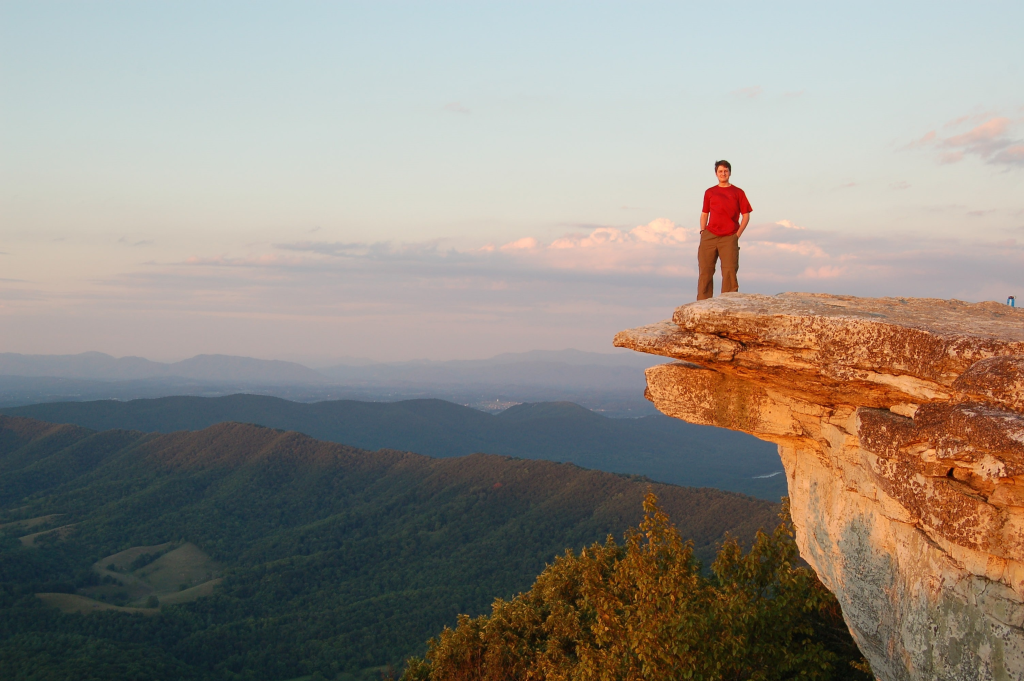
Length: 2,190 miles (3,524 km)
Why It’s Special:
Stretching from Georgia to Maine, the Appalachian Trail is one of the world’s longest continuous footpaths. It traverses forests, mountains, and meadows, passing through 14 states and offering a true immersion in American wilderness.
Highlights:
- Great Smoky Mountains National Park
- Shenandoah National Park
- Mount Katahdin summit
- Vibrant autumn foliage
Tips:
Thru-hiking takes 5–7 months, but many enjoy shorter sections. Plan for changing weather and carry a reliable map.
2. Inca Trail (Peru)
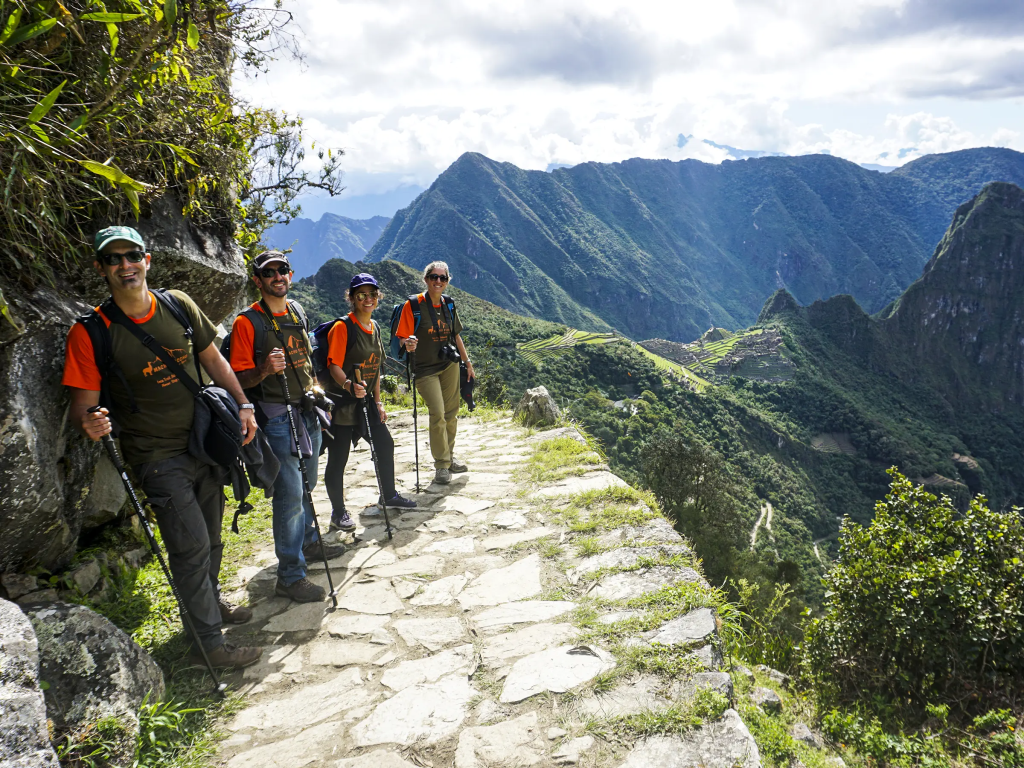
Length: 26 miles (42 km)
Why It’s Special:
The Inca Trail is a legendary trek through the Andes, leading to the ancient citadel of Machu Picchu. Hikers pass cloud forests, alpine tundra, and Incan ruins along stone-paved paths.
Highlights:
- Dead Woman’s Pass (the highest point)
- Wiñay Wayna ruins
- Sunrise arrival at the Sun Gate overlooking Machu Picchu
Tips:
Permits are required and limited—book months in advance. Acclimatize to the altitude before starting.
3. Tour du Mont Blanc (France, Italy, Switzerland)
Length: 105 miles (170 km)
Why It’s Special:
Circling the Mont Blanc massif, this trail crosses three countries and offers jaw-dropping views of glaciers, alpine meadows, and charming mountain villages.
Highlights:
- Panoramic vistas of Mont Blanc
- Picturesque towns like Chamonix and Courmayeur
- Wildflowers and wildlife in summer
Tips:
The full circuit takes 10–12 days, but shorter sections are possible. Book huts and refuges early in peak season.
4. Milford Track (New Zealand)
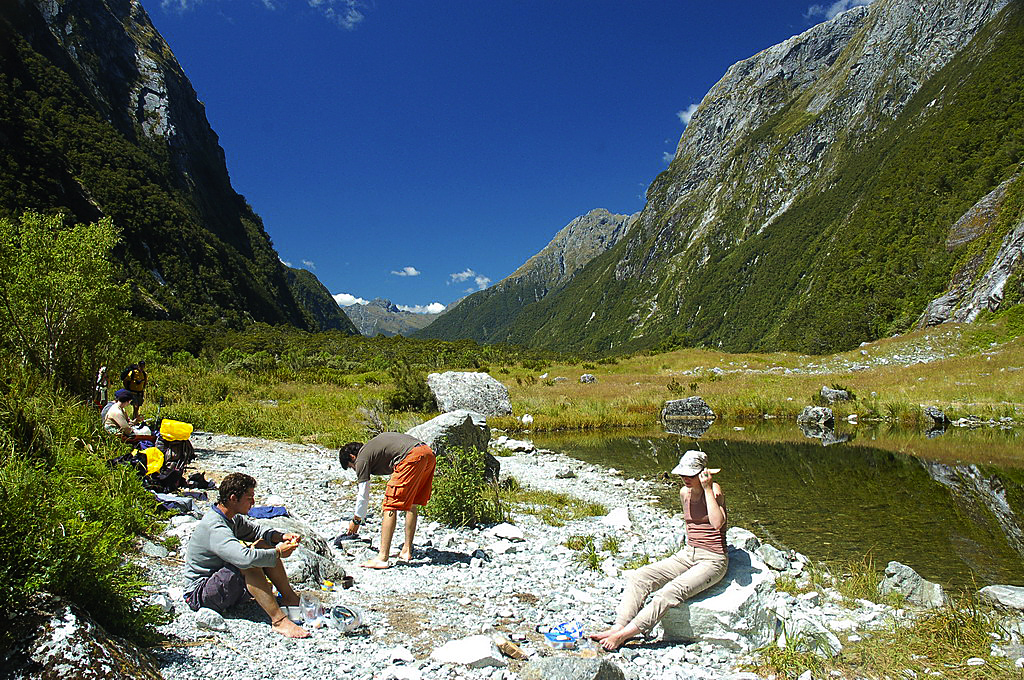
Length: 33.5 miles (54 km)
Why It’s Special:
Often called “the finest walk in the world,” the Milford Track traverses Fiordland National Park, passing rainforests, waterfalls, and dramatic fjords.
Highlights:
- Sutherland Falls (one of the world’s tallest)
- Mackinnon Pass views
- Lush, mossy forests
Tips:
Permits are required and spots fill quickly. Be prepared for rain—Fiordland is one of the wettest places on earth.
5. Laugavegur Trail (Iceland)
Length: 34 miles (55 km)
Why It’s Special:
This otherworldly trek takes hikers through colorful rhyolite mountains, steaming hot springs, black sand deserts, and glacial rivers.
Highlights:
- Landmannalaugar’s geothermal area
- Rainbow-colored mountains
- Huts for overnight stays
Tips:
Best hiked from late June to early September. Weather can change rapidly—pack layers and waterproof gear.
6. The Overland Track (Australia)
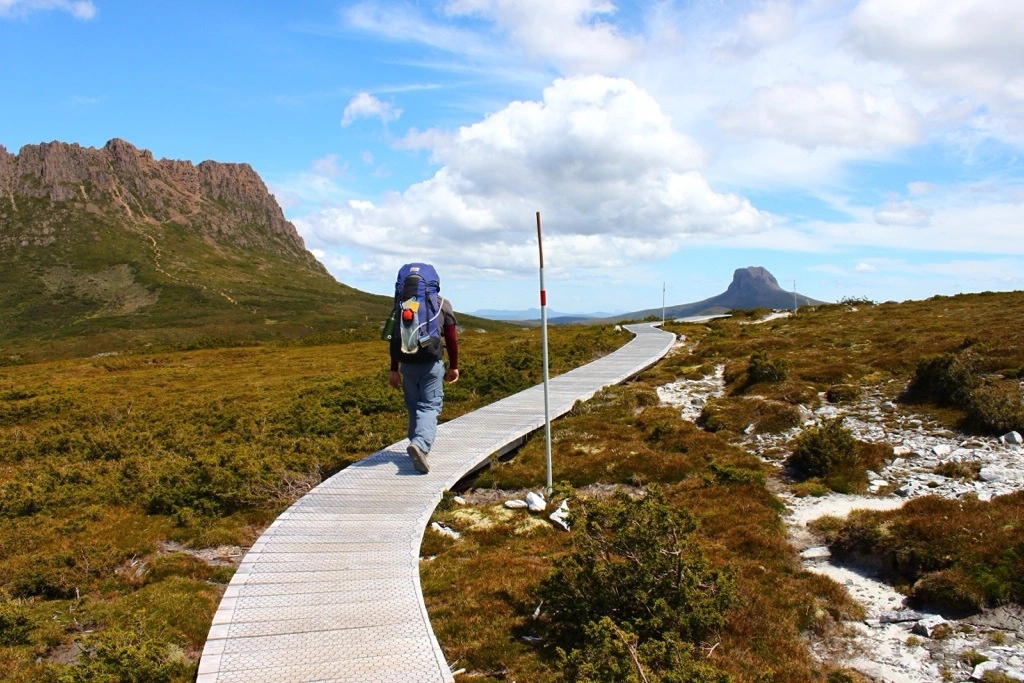
Length: 40 miles (65 km)
Why It’s Special:
Tasmania’s Overland Track winds through ancient rainforests, alpine plateaus, and past glacial lakes in Cradle Mountain-Lake St Clair National Park.
Highlights:
- Cradle Mountain summit
- Dove Lake
- Unique wildlife: wombats, echidnas, Tasmanian devils
Tips:
Permits are required in peak season (October–May). Carry all supplies and be ready for variable weather.
7. Drakensberg Grand Traverse (South Africa/Lesotho)
Length: 143 miles (230 km)
Why It’s Special:
This challenging trek crosses the dramatic peaks and escarpments of the Drakensberg Mountains, with sweeping views and ancient San rock art.
Highlights:
- Amphitheatre cliff face
- Tugela Falls (one of the world’s highest)
- Remote wilderness
Tips:
Navigation skills are essential. Go with a guide unless you’re an experienced trekker.
8. West Highland Way (Scotland)
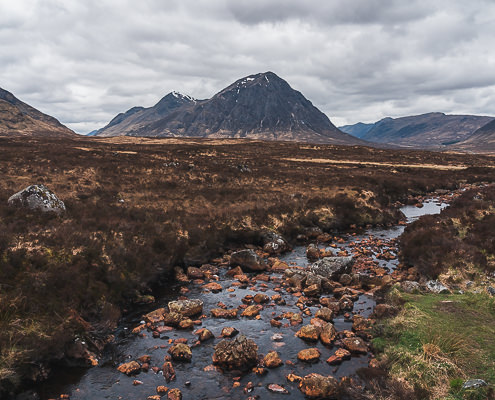
Length: 96 miles (154 km)
Why It’s Special:
Scotland’s most famous long-distance trail, the West Highland Way runs from the outskirts of Glasgow to the foot of Ben Nevis, passing lochs, moors, and castles.
Highlights:
- Loch Lomond
- Rannoch Moor
- Glen Nevis and Ben Nevis summit
Tips:
Accommodation ranges from campsites to cozy inns. Prepare for rain and midges (small biting insects).
9. The Sentiero Azzurro (Cinque Terre, Italy)
Length: 7.5 miles (12 km)
Why It’s Special:
This scenic coastal path links the five colorful villages of Cinque Terre, offering stunning views of the Ligurian Sea and terraced vineyards.
Highlights:
- Monterosso to Vernazza section
- Vibrant villages perched on cliffs
- Mediterranean sunsets
Tips:
Some sections may close due to landslides—check ahead. Hike early or late to avoid crowds.
10. The John Muir Trail (USA)
Length: 211 miles (340 km)
Why It’s Special:
Named after the legendary conservationist, the John Muir Trail traverses California’s Sierra Nevada, passing through Yosemite, Kings Canyon, and Sequoia National Parks.
Highlights:
- Half Dome and Mount Whitney (the highest peak in the contiguous US)
- Pristine alpine lakes
- Wildflower meadows and granite cliffs
Tips:
Permits are required. The best time to hike is July–September.
Tips for Planning Your Hiking Adventure
- Research Your Trail: Study maps, trail conditions, and weather forecasts.
- Train and Prepare: Build your fitness and practice with shorter hikes.
- Pack Smart: Bring essentials—navigation tools, water, food, first-aid kit, and appropriate clothing.
- Respect Nature: Stay on marked trails, pack out all trash, and avoid disturbing wildlife.
- Safety First: Hike with a buddy or let someone know your plans. Carry a phone or emergency beacon if possible.
- Leave No Trace: Preserve the beauty of the trail for future generations.
The Transformative Power of Hiking
Hiking is not just about reaching a destination—it’s about the journey. It teaches patience, resilience, and mindfulness. It deepens your appreciation for the natural world and your place within it. Whether you’re walking a forest path close to home or trekking across continents, every step brings new discoveries and a sense of wonder.
Conclusion
The world’s best hiking trails offer more than just exercise—they are gateways to adventure, beauty, and personal growth. For nature lovers, each trail is an invitation to explore, to connect, and to be inspired. So lace up your boots, pack your backpack, and set out on a journey into the wild—the mountains, forests, and coasts of the world are waiting for you.
 English