



How to Travel Safely in Unfamiliar Places
Traveling to unfamiliar destinations is one of the most exciting and transformative experiences you can have. It opens your mind, exposes you to new cultures, and allows you to see the world from a fresh perspective. However, venturing into the unknown also comes with its own set of risks and challenges. Safety concerns—ranging from health and security to cultural misunderstandings—can sometimes overshadow the thrill of discovery. The good news is that with the right preparation and awareness, you can enjoy your adventures with confidence and peace of mind. Here’s a comprehensive guide to traveling safely in unfamiliar places.
1. Research Before You Go
Understand the Destination
Start by learning as much as you can about your destination:
- Local Laws and Customs: Every country has its own rules and social norms. What’s acceptable at home may not be elsewhere.
- Political and Social Climate: Check for any unrest or political issues that could affect your trip.
- Health Risks: Learn about required vaccinations, common illnesses, and the quality of local healthcare.
- Weather and Natural Hazards: Be aware of seasonal weather patterns, natural disasters, and environmental risks.
Use Trusted Sources
- Government travel advisories (e.g., U.S. State Department, UK Foreign Office)
- Reputable travel blogs and forums
- Official tourism websites
2. Secure Your Documents and Money
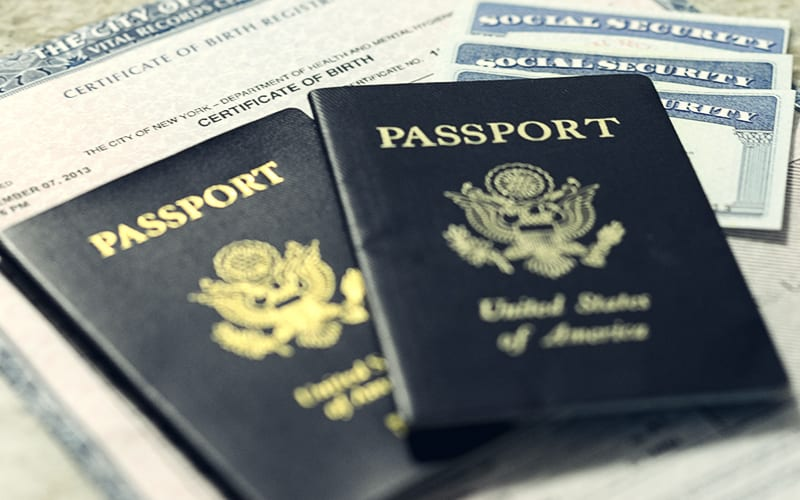
Travel Documents
- Passport: Ensure it’s valid for at least six months beyond your travel dates.
- Visas: Check if you need a visa and apply well in advance.
- Copies: Make digital and physical copies of your passport, visas, travel insurance, and important contacts.
Money Management
- Multiple Payment Methods: Bring a mix of cash, credit/debit cards, and a backup card.
- Notify Your Bank: Tell them about your travel plans to avoid card blocks.
- Secure Your Valuables: Use a money belt, neck pouch, or anti-theft bag. Never carry all your cash/cards in one place.
3. Get the Right Insurance
Travel insurance is essential. Look for a policy that covers:
- Medical emergencies and evacuation
- Lost or stolen belongings
- Trip cancellations or interruptions
- Adventure activities (if you plan to participate)
Carry your insurance details and know how to contact your provider in an emergency.
4. Stay Connected
Local SIM Card or Roaming Plan
- Buy a local SIM card or arrange for international roaming so you can access maps, translation apps, and emergency contacts.
Share Your Itinerary
- Let family or friends know your travel plans and check in regularly.
Emergency Numbers
- Know the local emergency numbers (e.g., 112 in Europe, 911 in the U.S.).
- Save the contact details of your country’s embassy or consulate.
5. Blend In and Stay Aware
Dress Appropriately
- Observe how locals dress and follow suit, especially in conservative countries or religious sites.
Avoid Drawing Attention
- Don’t display expensive jewelry, cameras, or electronics.
- Be discreet when handling money or valuables.
Stay Alert
- Be aware of your surroundings, especially in crowded places or at night.
- Trust your instincts—if something feels off, leave the area.
6. Use Safe Transportation

Official Taxis and Rideshares
- Use licensed taxis or reputable rideshare apps (Uber, Bolt, Grab).
- Avoid accepting rides from strangers or unmarked vehicles.
Public Transport
- Research routes and schedules ahead of time.
- Keep an eye on your belongings and avoid empty carriages at night.
Driving Abroad
- Know the local traffic laws and road conditions.
- Carry an international driving permit if required.
7. Protect Your Health
Vaccinations and Medications
- Get all recommended vaccines before traveling.
- Bring enough prescription medication for your trip, plus a copy of your prescription.
Food and Water Safety
- Drink bottled or filtered water if tap water isn’t safe.
- Eat at busy, reputable restaurants and avoid raw or undercooked foods.
Personal Hygiene
- Carry hand sanitizer and use it regularly.
- Pack a basic first-aid kit with bandages, antiseptic, pain relievers, and any personal needs.
8. Avoid Common Scams
Scams targeting tourists are common in many destinations. Be wary of:
- Overcharging taxis or fake meters
- “Helpful” strangers offering unsolicited assistance
- Distraction techniques (e.g., someone spills something on you while an accomplice steals your bag)
- Fake police officers asking for documents or fines
Tip: Read up on common scams in your destination before you go.
9. Respect Local Culture

Learn Basic Phrases
- Knowing a few words in the local language (hello, thank you, help) goes a long way.
Observe Etiquette
- Follow local customs regarding greetings, tipping, and personal space.
Photography
- Always ask permission before photographing people, especially in sensitive or religious settings.
10. Trust Your Instincts and Be Prepared
- If you feel uncomfortable, remove yourself from the situation.
- Have a backup plan for accommodation and transportation.
- Keep a small amount of emergency cash hidden in a separate location.
11. Solo Travelers: Extra Precautions
- Avoid walking alone at night in unfamiliar areas.
- Choose accommodations with good reviews and security.
- Join group tours or activities to meet others and stay safe.
12. Female Travelers: Special Considerations
- Research destinations known for being safe and welcoming to women.
- Dress conservatively where appropriate.
- Be cautious with alcohol and never leave drinks unattended.
13. LGBTQ+ Travelers: Know the Laws
- Some countries have laws or social attitudes that are unfriendly to LGBTQ+ travelers. Research in advance and consider connecting with local LGBTQ+ organizations for advice.
14. What to Do in an Emergency
- Stay calm and contact local authorities or your embassy/consulate.
- Report theft or loss to the police and get a written report for insurance.
- Seek medical help if needed—don’t hesitate to go to a hospital.
Conclusion
Traveling safely in unfamiliar places is about preparation, awareness, and respect. By doing your homework, staying alert, and embracing local customs, you can minimize risks and maximize the joy of discovery. Remember, the world is full of kindness and beauty, and most journeys go smoothly. With these tips, you’ll be ready to explore new horizons with confidence, curiosity, and peace of mind. Safe travels!
 English