



Traveling by train in Europe is a dream for many adventurers. The continent’s extensive rail network connects bustling capitals, charming villages, and scenic landscapes, making it one of the most convenient, comfortable, and eco-friendly ways to explore. Whether you’re a first-time visitor or a seasoned traveler, this comprehensive guide will help you navigate Europe’s railways, plan your journey, and make the most of your rail adventure.
Why Choose Train Travel in Europe?
Europe’s trains are renowned for their speed, efficiency, and comfort. Here’s why train travel stands out:
- Convenience: Major cities and small towns alike are accessible by train, often with centrally located stations.
- Scenic Routes: From the snow-capped Alps to rolling vineyards and sparkling coastlines, trains offer unbeatable views.
- Flexibility: With numerous daily departures and flexible ticket options, you can tailor your trip to your own pace.
- Eco-Friendly: Trains are among the greenest modes of travel, producing far less carbon than cars or planes.
- No Airport Hassle: Skip long security lines and baggage claims—just board and go.
Planning Your European Rail Journey
1. Decide Where to Go
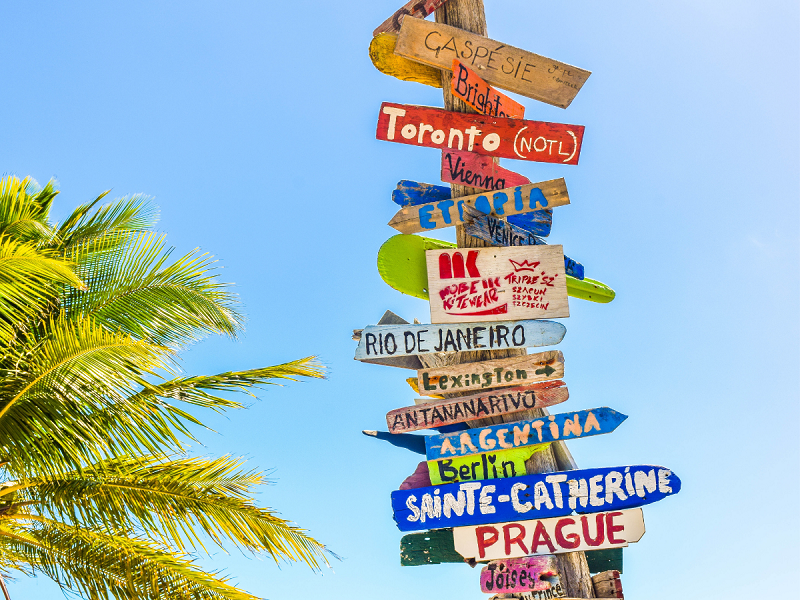
Europe’s rail network covers almost every corner of the continent. Popular routes include:
- Western Europe: Paris, Amsterdam, Brussels, Berlin, and beyond.
- Central Europe: Prague, Vienna, Budapest, Munich.
- Southern Europe: Rome, Florence, Barcelona, Nice.
- Scenic Routes: The Glacier Express in Switzerland, Cinque Terre in Italy, Flam Railway in Norway.
2. Choose the Right Rail Pass or Tickets
- Eurail Pass: For non-European residents, the Eurail Pass offers unlimited travel in 33 countries. Options include Global Pass (multi-country) and One Country Pass.
- Interrail Pass: For European residents, similar to Eurail but for locals.
- Point-to-Point Tickets: If you’re only taking a few trips, buying individual tickets may be more economical.
- Regional Passes: Some regions offer special passes (e.g., Swiss Travel Pass, German Rail Pass).
3. Book in Advance or On the Go?
- High-Speed Trains: Book early for the best prices and seat reservations (e.g., Eurostar, TGV, ICE).
- Regional Trains: Often don’t require reservations and can be bought on the day of travel.
4. Understand Classes and Amenities
- First Class: More space, quieter cars, complimentary snacks or drinks on some routes.
- Second Class: Comfortable and affordable, suitable for most travelers.
- Sleeper Trains: Overnight trains with beds or private cabins, ideal for long distances.
5. Packing for Train Travel
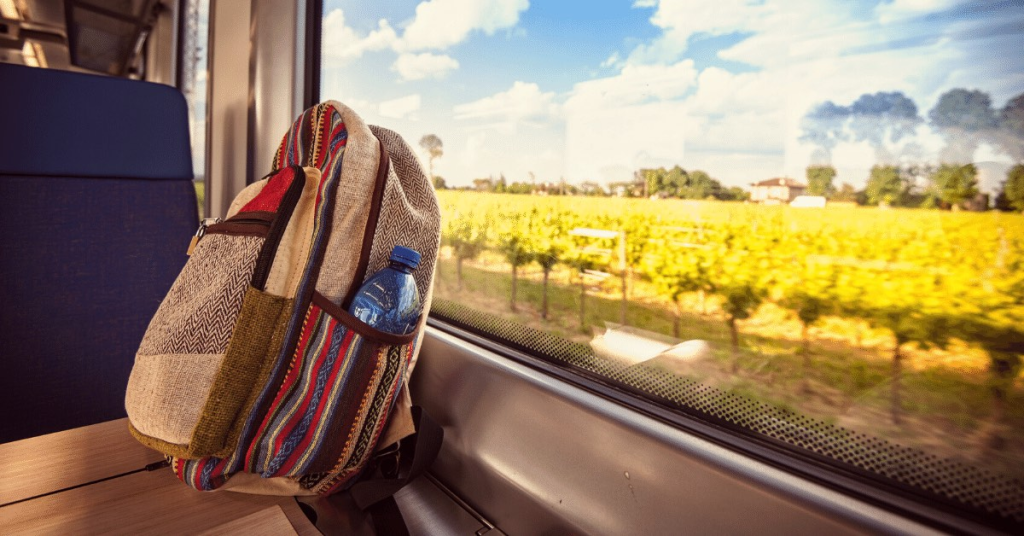
- Pack Light: Luggage space is limited; use a suitcase or backpack that’s easy to carry.
- Essentials: Snacks, water, entertainment (books, music), travel pillow, chargers.
- Documents: Passport, tickets/rail pass, travel insurance.
Navigating Train Stations
European train stations are generally well-organized but can be busy and large. Here’s how to navigate them:
- Arrive Early: Especially in major cities, arrive at least 20–30 minutes before departure.
- Check Departure Boards: Look for your train number, platform, and departure time.
- Validate Tickets: Some countries require you to stamp (validate) your ticket before boarding.
- Find Your Car: Trains are marked by car numbers; check your reservation for assigned seats.
Tips for a Smooth Rail Journey
- Download Rail Apps: Apps like Rail Planner, DB Navigator, and SNCF Connect are invaluable for schedules and real-time updates.
- Mind the Schedules: Trains run on time—don’t be late!
- Food and Drink: Many trains have dining cars or trolleys, but bringing your own snacks is always a good idea.
- Language Barriers: Most railway staff speak English, but learning a few local phrases can help.
- Safety: Train travel in Europe is generally safe; keep an eye on your belongings, especially in busy stations.
Must-Experience Scenic Train Routes
- Glacier Express (Switzerland): Known as the “slowest express train in the world,” this route winds through the Swiss Alps, offering breathtaking mountain views.
- Cinque Terre (Italy): Hugging the Ligurian coast, this line connects five picturesque villages with stunning sea views.
- West Highland Line (Scotland): Famous for its wild landscapes and the iconic Glenfinnan Viaduct (as seen in Harry Potter films).
- Flam Railway (Norway): One of the steepest standard-gauge railways in the world, passing waterfalls and fjords.
- Bernina Express (Switzerland to Italy): Crosses the Alps, traversing glaciers, lakes, and UNESCO-listed landscapes.
Sample Itinerary: Two Weeks by Train in Europe
Day 1–3: Paris, France
Explore the Eiffel Tower, Louvre, and Montmartre.
Day 4–5: Amsterdam, Netherlands
Cycle along canals, visit the Van Gogh Museum, and enjoy Dutch pancakes.
Day 6–7: Berlin, Germany
Discover the Berlin Wall, Museum Island, and vibrant nightlife.
Day 8–10: Prague, Czech Republic
Stroll across Charles Bridge, visit Prague Castle, and sample local beer.
Day 11–12: Vienna, Austria
Experience imperial palaces, classical music, and famous coffee houses.
Day 13–14: Venice, Italy
Wander through canals, admire St. Mark’s Basilica, and ride a gondola.
Frequently Asked Questions
Q: Is train travel in Europe expensive?
A: It depends on the route and how early you book. Passes can save money for multiple trips, while early-bird tickets are often cheaper.
Q: Do I need to reserve seats?
A: High-speed and international trains usually require reservations. Regional trains often do not.
Q: Can I bring luggage on board?
A: Yes, but space is limited. There are usually racks above seats and at the end of carriages.
Q: Are trains accessible for people with disabilities?
A: Most major routes and stations are accessible, but check in advance for specific needs.
Making the Most of Your Rail Adventure
Conclusion
Traveling Europe by train is more than just a way to get from point A to point B—it’s a journey through history, culture, and some of the world’s most beautiful landscapes. With careful planning, an open mind, and a sense of adventure, you’ll discover that Europe’s rails offer endless possibilities for exploration. So pack your bags, grab your ticket, and let the tracks lead you to unforgettable memories.
 English