


How to Take Stunning Travel Photos
Travel photography is more than just snapping pictures of beautiful places—it’s about telling the story of your journey, capturing the spirit of a destination, and preserving memories you’ll cherish for years. Whether you’re using a DSLR, a mirrorless camera, or just your smartphone, anyone can take stunning travel photos with the right techniques, a creative eye, and a bit of practice. This comprehensive guide will help you elevate your travel photography, from planning and shooting to editing and sharing, so you return home with images that truly wow.
1. Prepare Before You Go
Research Your Destination
Great travel photos often start with great planning. Before your trip, research your destination’s most photogenic spots, unique perspectives, and local customs. Look for:
- Iconic Landmarks: Famous sites, but also lesser-known angles.
- Local Life: Markets, festivals, and daily routines.
- Natural Beauty: Landscapes, wildlife, and weather patterns.
- Golden Hours: Sunrise and sunset times for the best light.
Pack the Right Gear
You don’t need the most expensive camera to take amazing photos, but having the right gear helps.
- Camera: DSLR, mirrorless, or smartphone with a good camera.
- Lenses: A wide-angle for landscapes, a prime lens for portraits, and a zoom for distant subjects.
- Accessories: Extra batteries, memory cards, a lightweight tripod, lens cloth, and a power bank.
- Smartphone Apps: Download photo editing and camera control apps.
2. Master the Basics of Photography
Understand Composition
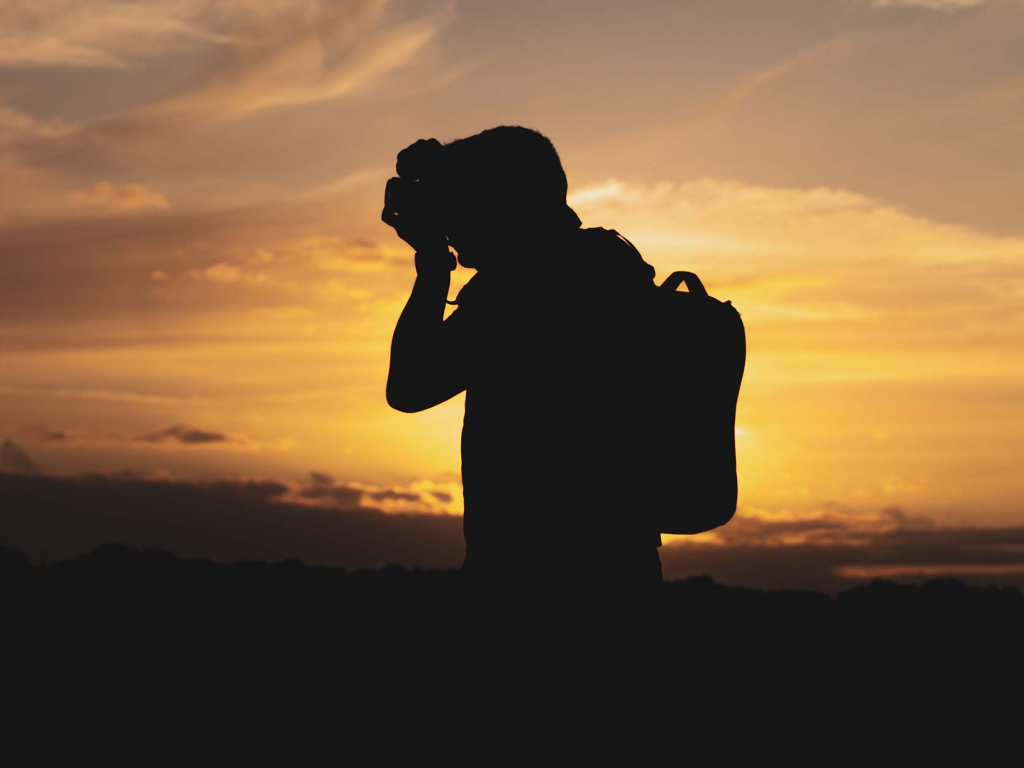
Composition is the foundation of a compelling photo. Practice these classic techniques:
- Rule of Thirds: Imagine your frame divided into a 3×3 grid. Place key subjects along these lines or intersections.
- Leading Lines: Use roads, rivers, or architectural elements to guide the viewer’s eye.
- Framing: Use windows, arches, or natural elements to frame your subject.
- Symmetry and Patterns: Look for repeating shapes or reflections.
Work with Light
Light can make or break a photo.
- Golden Hour: Shoot during the hour after sunrise or before sunset for soft, warm light.
- Blue Hour: The period just before sunrise or after sunset offers cool, moody tones.
- Avoid Harsh Midday Sun: If you must shoot at noon, look for shade or use a polarizing filter.
- Embrace Bad Weather: Rain, fog, and storms can create dramatic, atmospheric images.
Focus and Exposure
- Focus on the Eyes: For portraits, always focus on your subject’s eyes.
- Adjust Exposure: Use exposure compensation to avoid blown-out highlights or deep shadows.
- Use Manual Mode: Learn to control shutter speed, aperture, and ISO for creative effects.
3. Capture the Story
Go Beyond Postcards
While iconic landmarks are important, some of the best travel photos tell a deeper story.
- People and Portraits: Ask permission and capture locals in their environment.
- Details: Photograph textures, food, signs, and small moments.
- Action Shots: Document movement—street performers, wildlife, or bustling markets.
- Candid Moments: Capture genuine emotions and interactions.
Tell a Visual Narrative
Think of your trip as a story: opening scenes, rising action, climax, and resolution. Capture wide shots for context, medium shots for action, and close-ups for details.
4. Tips for Specific Types of Travel Photography
Landscapes
- Use a tripod for sharpness, especially in low light.
- Include a foreground element (like a rock or flower) for depth.
- Use a wide-angle lens to capture sweeping vistas.
Cityscapes
- Shoot from high vantage points for dramatic skylines.
- Capture city lights during blue hour.
- Look for reflections in water or glass.
Street Photography
- Be discreet and respectful of people’s privacy.
- Use a fast shutter speed to freeze motion.
- Capture the energy and diversity of urban life.
Wildlife
- Use a zoom lens to keep a safe distance.
- Be patient and move slowly.
- Focus on the animal’s eyes for an engaging shot.
Night Photography
- Use a tripod and long exposure for star trails or city lights.
- Increase ISO and open the aperture to let in more light.
- Experiment with light trails from cars or lanterns.
5. Edit Your Photos for Impact
Editing can turn a good photo into a great one. Use editing apps or software to:
- Crop and Straighten: Remove distractions and improve composition.
- Adjust Exposure and Contrast: Bring out details in shadows and highlights.
- Enhance Colors: Boost vibrancy without overdoing it.
- Sharpen: Make details pop, especially for web sharing.
- Remove Blemishes: Clean up dust spots or distractions.
Popular editing tools include Adobe Lightroom, Snapseed, and VSCO.
6. Share and Store Your Memories
- Create Albums: Organize your photos by trip or theme.
- Print Your Favorites: Make photo books, prints, or postcards.
- Share Online: Use Instagram, Flickr, or travel blogs to showcase your work.
- Backup: Store your photos in the cloud or on external drives to prevent loss.
7. Respect Local Cultures and the Environment
- Always ask permission before photographing people, especially in sensitive settings.
- Don’t disturb wildlife or damage natural sites for a shot.
- Follow rules in museums, temples, or private property.
- Leave no trace—take only photos, leave only footprints.
8. Practice, Experiment, and Have Fun
The more you shoot, the better you’ll get. Try new angles, techniques, and subjects. Don’t be afraid to make mistakes—some of the best photos are happy accidents. Most importantly, enjoy the process and let your curiosity guide you.
Conclusion
Stunning travel photos are within everyone’s reach, regardless of gear or experience. By planning ahead, mastering the basics, and telling a story through your images, you’ll capture the magic of your journeys and inspire others to explore the world. So pack your camera, open your eyes to new perspectives, and start creating memories—one photo at a time.
 English