



Travelers are often drawn to destinations that offer a feast for the senses—places where every street corner bursts with color, every building tells a story, and the atmosphere itself seems to hum with vibrancy. Around the globe, there are cities that stand out not just for their history or architecture, but for the sheer joy and energy that their colors bring. These cities, painted in every hue imaginable, offer more than just beautiful backdrops for photos: they provide insight into local traditions, histories, and ways of life. In this article, we’ll embark on a journey through some of the world’s most colorful cities, explore the reasons behind their vivid palettes, and offer tips for making the most of your visit.
Why Are Some Cities So Colorful?
The use of color in urban landscapes is rarely accidental. In many cases, the tradition of painting homes and buildings in bright colors has deep roots in local culture, religious beliefs, or even practical concerns. For example, coastal towns might use vivid colors so fishermen can spot their homes from the sea, while some communities believe certain colors ward off evil spirits or bring good luck. In other places, color is simply a celebration of life—a way to express joy and individuality.
The Benefits of Visiting Colorful Cities
- Photographic Inspiration: Colorful cities are a dream for photographers, both amateur and professional. The interplay of light and color, the contrast between buildings and natural surroundings, and the lively street scenes offer endless opportunities for stunning photos.
- Cultural Immersion: The colors often have symbolic meanings and are tied to local festivals, traditions, and history. Exploring these cities can deepen your understanding of the culture.
- Mood Enhancement: Studies have shown that bright colors can have a positive effect on mood. Walking through a city awash in color can be a joyful, uplifting experience.
- Unique Experiences: From vibrant street art to colorful markets and festivals, these cities offer experiences you won’t find anywhere else.
Top 8 Most Colorful Cities in the World
1. Burano, Italy
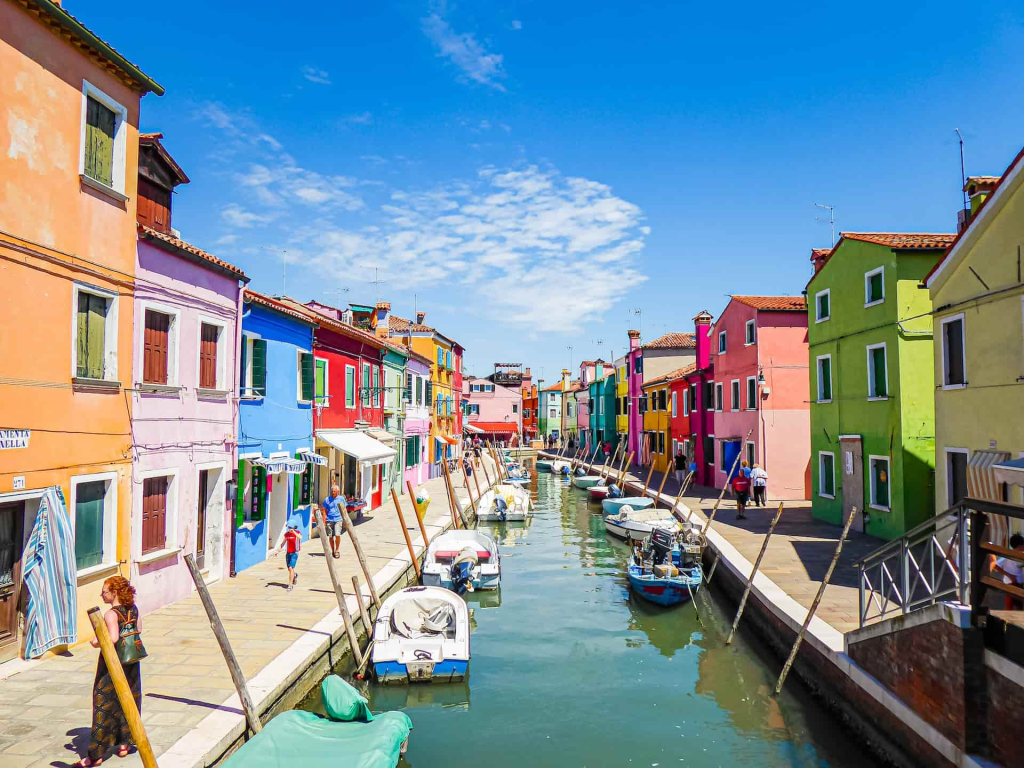
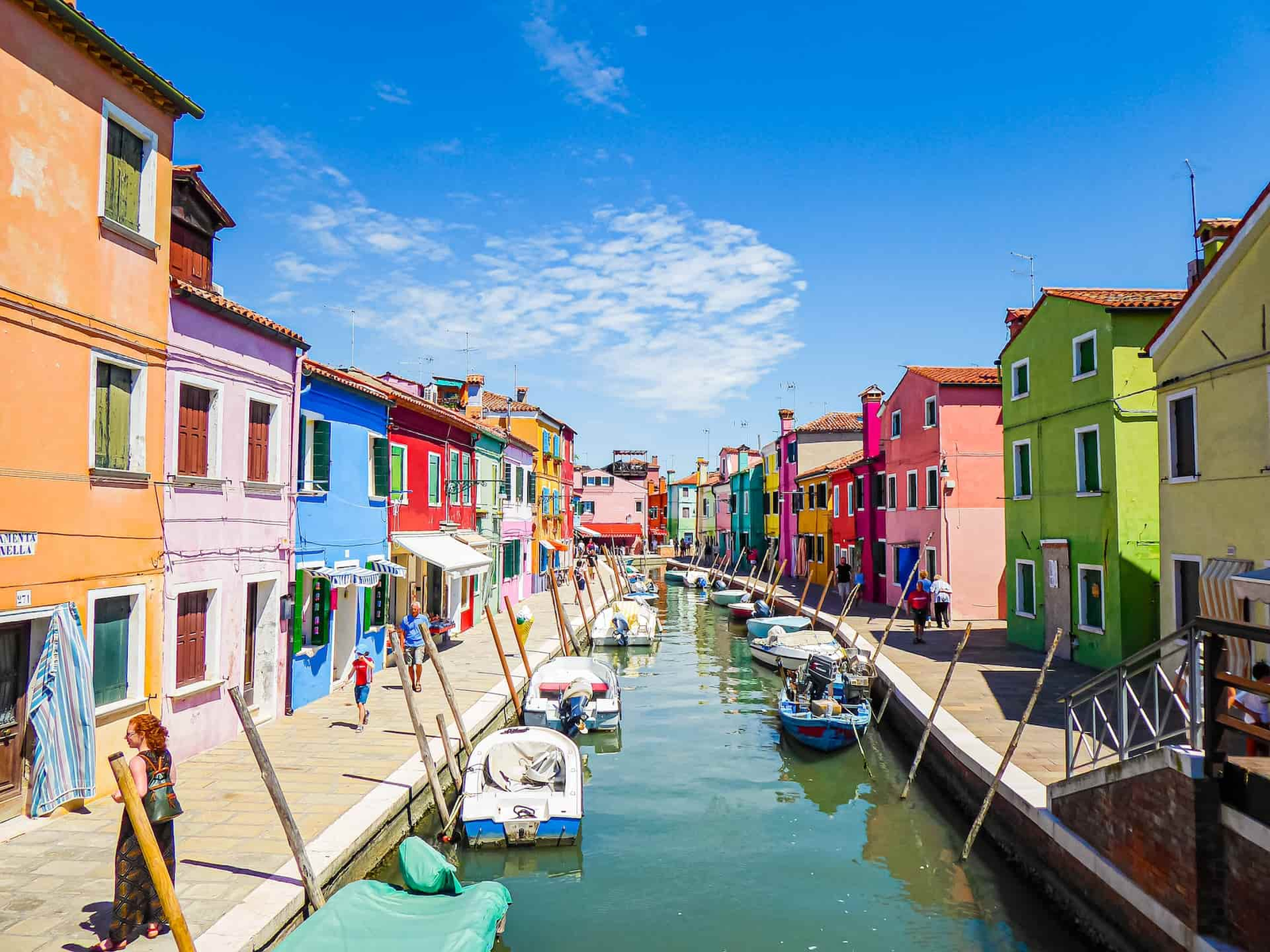
Just a short boat ride from Venice, Burano is a small island famous for its lace-making tradition and, more strikingly, its rainbow-hued houses. Legend has it that fishermen painted their homes in bright colors so they could find their way back in the fog. Today, Burano’s canals are lined with houses in shades of pink, yellow, blue, and green, making it one of the most photographed places in Italy. The effect is especially magical at sunrise or sunset, when the colors reflect in the still water.
Travel Tip: Visit in the early morning to avoid crowds and capture the best light for photos.
2. Chefchaouen, Morocco
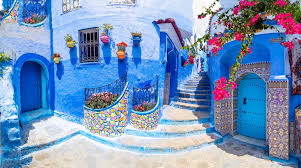
Nestled in the Rif Mountains, Chefchaouen is known as the “Blue Pearl” of Morocco. Nearly every building in the old town is painted in varying shades of blue, from pale sky to deep indigo. The origins of the blue color are debated: some say it was introduced by Jewish refugees in the 1930s as a symbol of the sky and heaven, while others believe it helps keep mosquitoes away. Whatever the reason, wandering through Chefchaouen’s winding alleys feels like stepping into a dream.
Travel Tip: Don’t miss the local markets, where you’ll find colorful textiles and handmade crafts that echo the city’s palette.
3. Guanajuato, Mexico
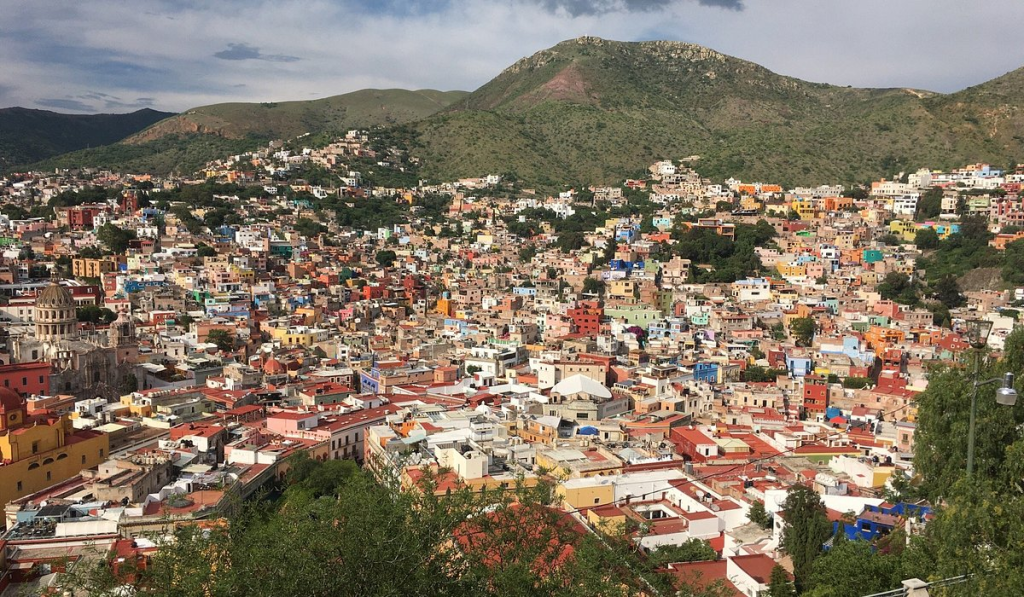
Guanajuato is a UNESCO World Heritage city built into a narrow valley, with houses stacked atop one another in every color of the rainbow. The city’s colonial architecture, winding alleyways (callejones), and lively plazas make it a delight to explore on foot. Each October, Guanajuato hosts the Cervantino Festival, when the city is filled with music, dance, and even more color.
Travel Tip: Climb to the El Pipila monument for panoramic views of the city’s colorful rooftops.
4. Bo-Kaap, Cape Town, South Africa
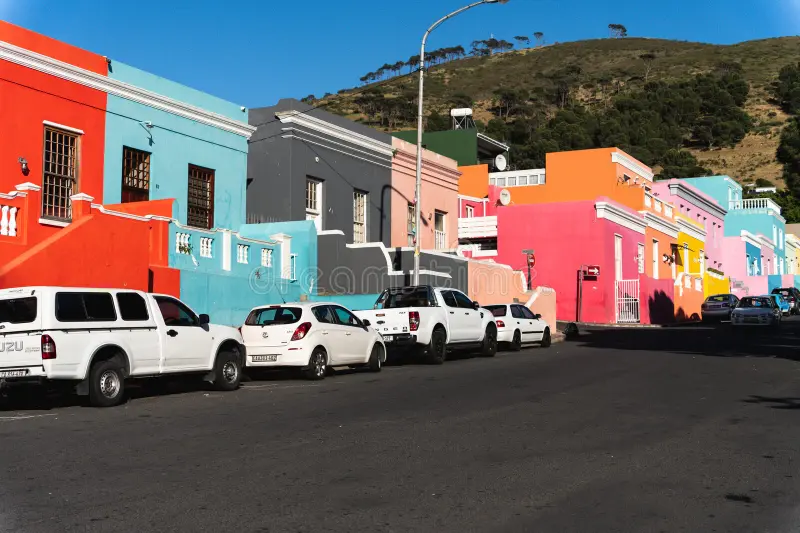
Bo-Kaap is one of Cape Town’s most distinctive neighborhoods, famous for its rows of brightly painted houses in pink, green, yellow, and turquoise. The area has a rich history as the center of Cape Malay culture, and its colors are a symbol of freedom and identity. The cobbled streets are filled with the aromas of spices from local kitchens, and the sound of the call to prayer from nearby mosques.
Travel Tip: Join a walking tour to learn about the history of Bo-Kaap and sample traditional Cape Malay cuisine.
5. Jodhpur, India
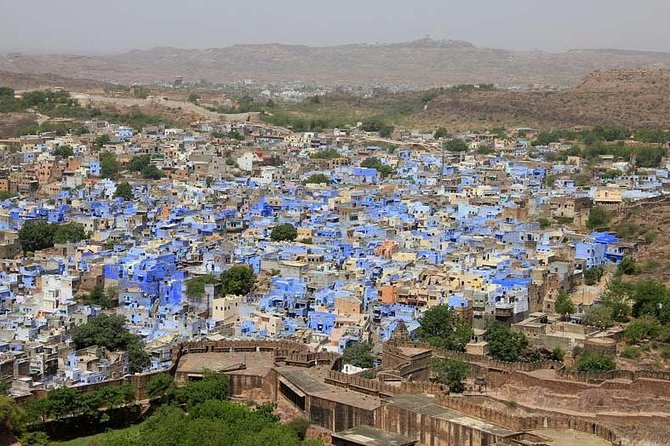
Known as the “Blue City,” Jodhpur’s old town is a maze of indigo-painted houses clustered beneath the imposing Mehrangarh Fort. The blue color is said to signify the homes of Brahmins, but over time, many others adopted the tradition. The effect is especially striking when viewed from above, with the blue city spreading out like a sea at the foot of the fort.
Travel Tip: Visit during the early morning or late afternoon for the best light, and don’t miss the bustling Sardar Market.
6. Willemstad, Curaçao
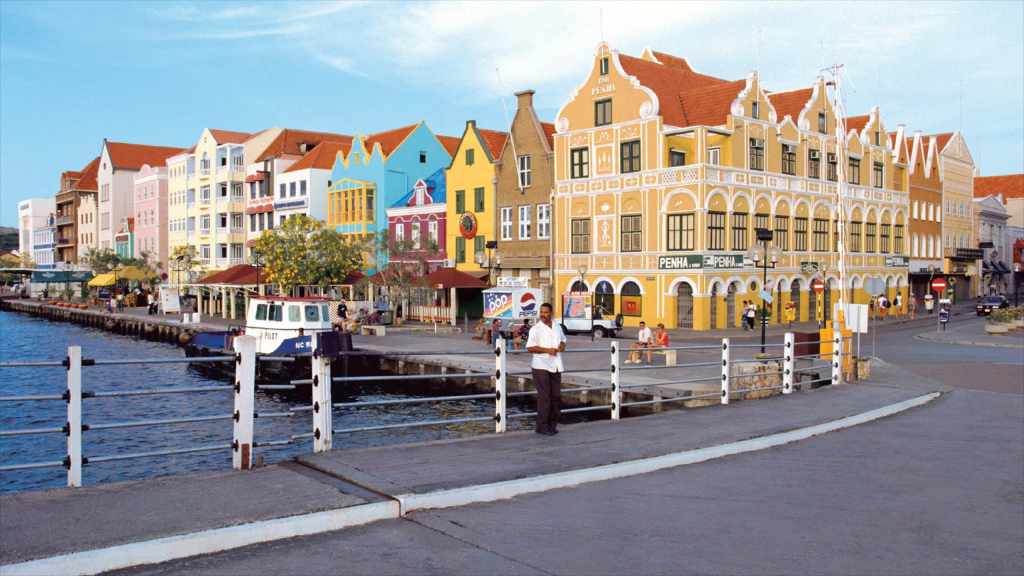
The capital of this Caribbean island is a UNESCO World Heritage site, known for its Dutch colonial architecture painted in a riot of pastels. The story goes that a former governor, who suffered from migraines, ordered the city’s buildings painted in bright colors to reduce the glare of the sun on white walls. Today, the Handelskade waterfront is one of the most iconic sights in the Caribbean.
Travel Tip: Take a boat tour for the best views of the colorful waterfront.
7. Valparaíso, Chile
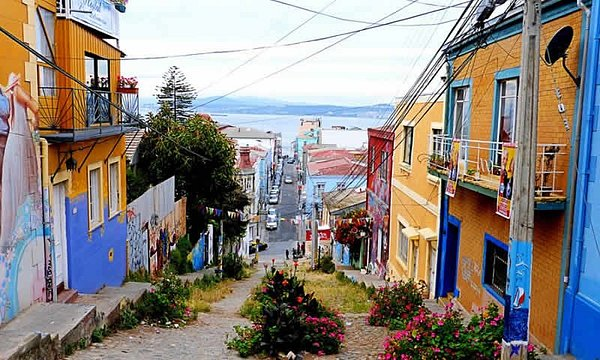
Valparaíso is a port city built on steep hills, with houses painted in every imaginable color. The city is also famous for its vibrant street art, with murals covering walls, staircases, and even entire buildings. The combination of colorful homes, winding stairways, and ocean views has inspired poets and artists for generations.
Travel Tip: Ride one of the city’s historic funiculars for a unique perspective on the colorful hillsides.
8. St. John’s, Newfoundland, Canada
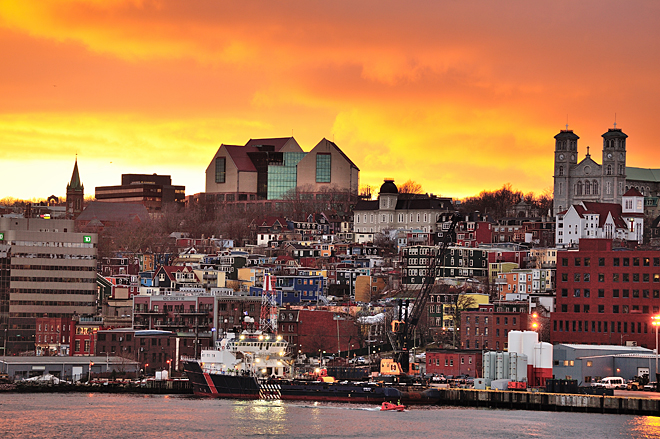
St. John’s is one of North America’s oldest cities, and its downtown is famous for “Jellybean Row”—rows of Victorian houses painted in bright, cheerful colors. The tradition began as a way for sailors to spot their homes from the harbor, and it continues today as a symbol of the city’s quirky charm.
Travel Tip: Explore the city on foot to discover hidden alleys and local cafes, and don’t miss the view from Signal Hill.
How to Make the Most of Your Visit
- Timing Is Everything: The best light for photography is usually early morning or late afternoon, when the colors are warm and shadows are soft.
- Respect Local Customs: In some cities, homes are private residences. Be respectful when taking photos, and always ask permission if you want to photograph people.
- Learn the Stories: Many colorful cities have fascinating legends or histories behind their palettes. Take a guided tour or chat with locals to learn more.
- Participate in Festivals: If your visit coincides with a local festival, you’ll see the city at its most vibrant and lively.
- Support Local Artists: Many of these cities have thriving art scenes. Visit galleries, buy handmade crafts, and support local businesses.
The Power of Color in Travel
Color has the power to transform not just a city, but also your travel experience. It can evoke emotion, spark creativity, and create lasting memories. Whether you’re wandering the blue alleys of Chefchaouen, admiring the pastel facades of Burano, or exploring the rainbow streets of Guanajuato, you’ll find that color is more than just decoration—it’s a language that tells the story of a place and its people.
So next time you plan a trip, consider adding one of the world’s most colorful cities to your itinerary. You’ll return home not just with beautiful photos, but with a deeper appreciation for the ways in which color shapes our world.
 English