



Exploring Ancient Ruins: A Journey Through History
Traveling to ancient ruins is like stepping into a time machine. These remarkable sites, scattered across the globe, are silent witnesses to civilizations long gone, yet their stories endure in stone, earth, and legend. From the pyramids of Egypt to the temples of Angkor, exploring ancient ruins offers a unique blend of adventure, education, and wonder. In this article, we’ll journey through some of the world’s most awe-inspiring ruins, discover what makes them special, and share tips for making the most of your own archaeological adventures.
Why Visit Ancient Ruins?
Ancient ruins are more than just piles of old stones—they are windows into humanity’s collective past. Visiting these sites allows you to:
- Connect with History: Walk in the footsteps of emperors, priests, and ordinary people from centuries or even millennia ago.
- Appreciate Human Ingenuity: Marvel at architectural feats achieved without modern technology.
- Experience Culture: Learn about the beliefs, customs, and daily lives of ancient civilizations.
- Enjoy Adventure: Trek through jungles, deserts, or mountains to reach remote sites.
- Inspire Reflection: Contemplate the rise and fall of societies and the legacy they leave behind.
The World’s Most Fascinating Ancient Ruins
1. Machu Picchu, Peru
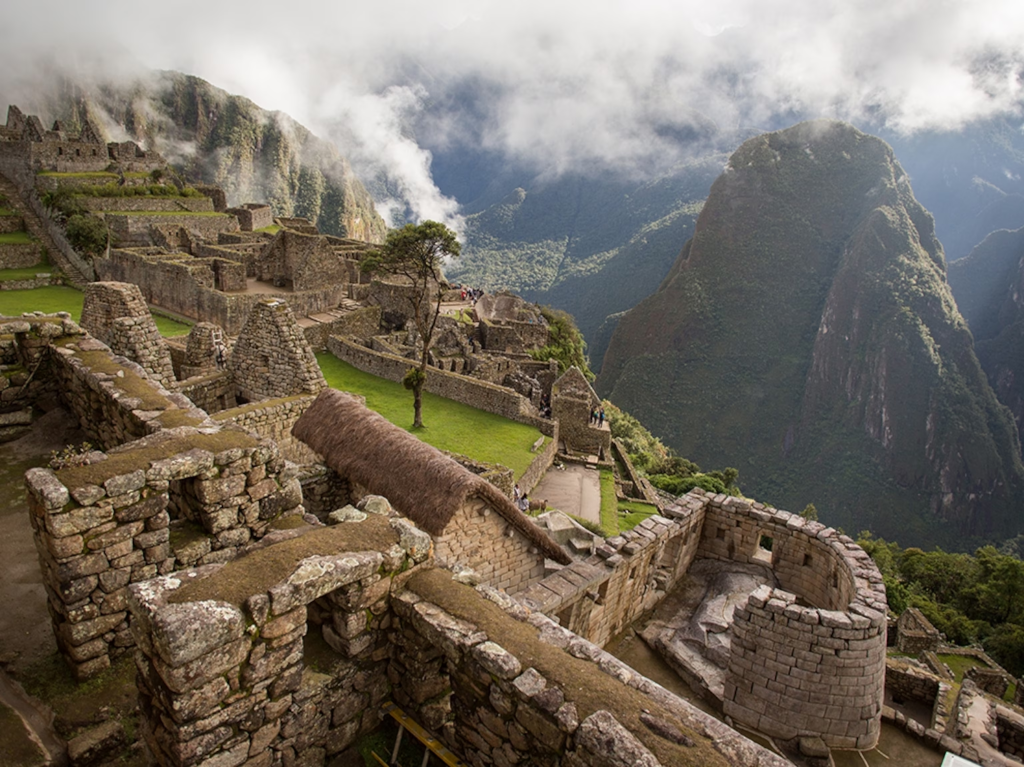
High in the Andes, Machu Picchu is the crown jewel of Inca civilization. Built in the 15th century and abandoned a century later, its purpose remains a mystery—possibly a royal estate or religious retreat. The site’s breathtaking terraces, temples, and panoramic vistas make it one of the most iconic ruins on earth.
- Tips: Hike the Inca Trail for an unforgettable approach, or take the train from Cusco. Arrive early to beat the crowds and morning mist.
2. The Pyramids of Giza, Egypt
The last of the Seven Wonders of the Ancient World, the Pyramids of Giza have stood for over 4,500 years. The Great Pyramid, built for Pharaoh Khufu, is a marvel of engineering, with blocks weighing up to 80 tons. Nearby, the enigmatic Sphinx guards the plateau.
- Tips: Visit early or late to avoid the heat and crowds. Hire a knowledgeable guide to unravel the mysteries of ancient Egypt.
3. Angkor Wat, Cambodia
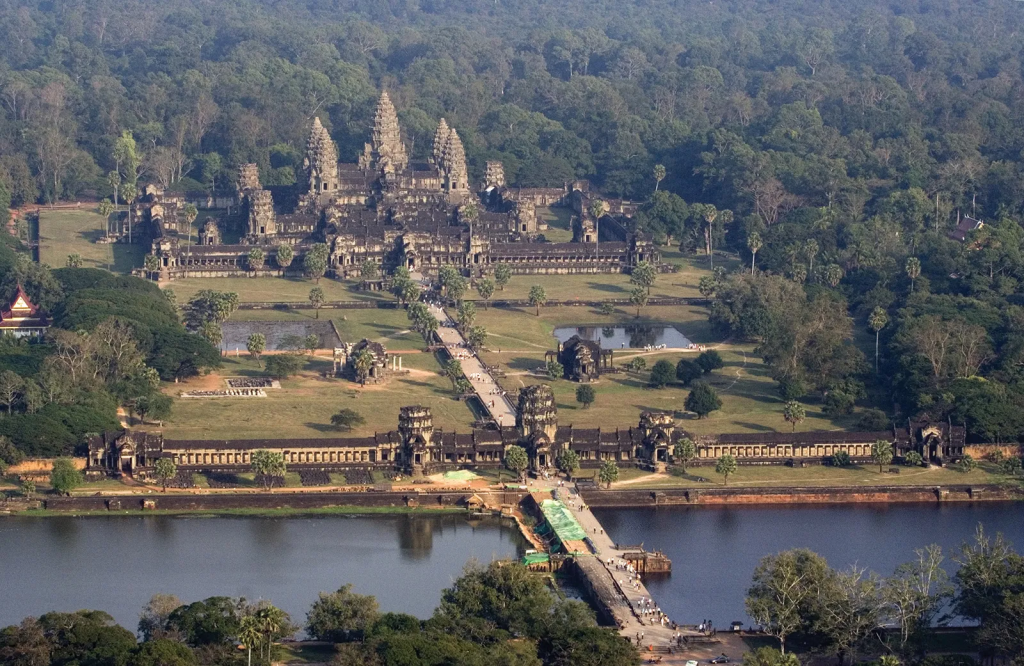
Angkor Wat is the largest religious monument in the world, originally dedicated to the Hindu god Vishnu and later transformed into a Buddhist temple. Surrounded by jungle and moats, the site is famous for its intricate bas-reliefs and the haunting faces of Bayon Temple.
- Tips: Watch sunrise over Angkor Wat for a magical experience. Rent a bicycle or tuk-tuk to explore the vast complex.
4. Petra, Jordan
Known as the “Rose City,” Petra was the capital of the Nabataean kingdom. Its most famous structure, Al-Khazneh (the Treasury), is carved into pink sandstone cliffs. Petra’s tombs, temples, and colonnaded streets reveal a sophisticated civilization at the crossroads of ancient trade routes.
- Tips: Enter through the narrow Siq canyon for a dramatic reveal. Stay after dark for Petra by Night, when the Treasury is lit by thousands of candles.
5. The Colosseum, Rome, Italy
The Colosseum is a symbol of the Roman Empire’s grandeur and brutality. This massive amphitheater once hosted gladiator battles, animal hunts, and public spectacles for up to 50,000 spectators.
- Tips: Book tickets online to skip the line. Combine your visit with the Roman Forum and Palatine Hill for a deeper dive into ancient Rome.
6. Chichen Itza, Mexico
A UNESCO World Heritage site, Chichen Itza was a major Mayan city famed for its step pyramid, El Castillo. The site is astronomically aligned and features the Great Ball Court, Temple of the Warriors, and the Sacred Cenote.
- Tips: Visit early for cooler temperatures and fewer tourists. Don’t miss the evening light and sound show.
7. Stonehenge, England
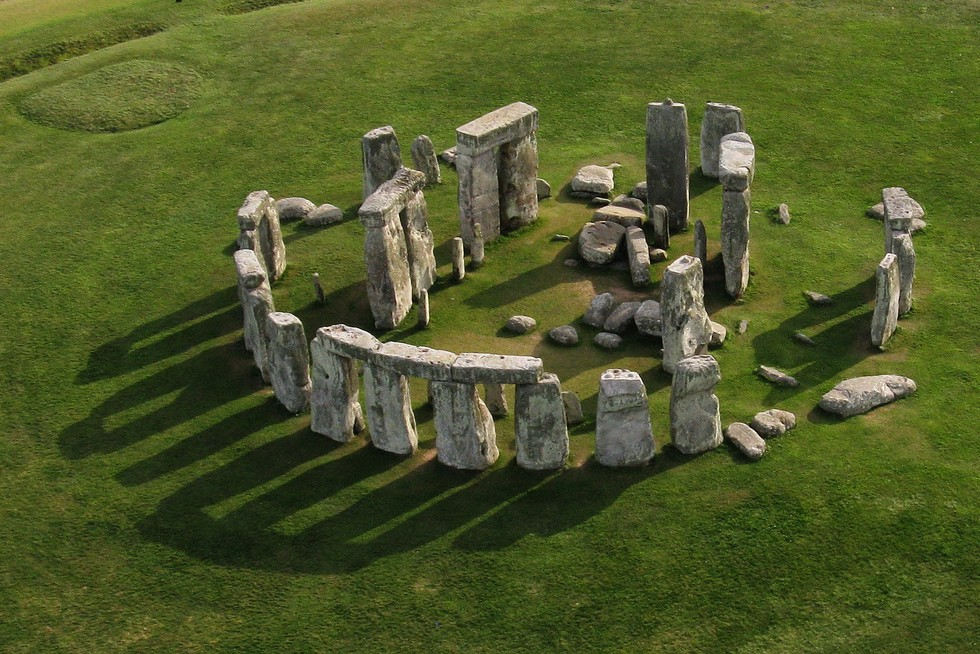
Stonehenge’s origins and purpose remain shrouded in mystery. This prehistoric stone circle, built over 4,000 years ago, aligns with the solstices and is believed to have served as a ceremonial or astronomical site.
- Tips: Book tickets ahead, especially for solstice events. Visit the nearby Avebury stone circle for a less crowded experience.
8. The Acropolis, Athens, Greece
The Acropolis, perched above Athens, is the heart of ancient Greek civilization. The Parthenon, dedicated to Athena, dominates the site, surrounded by temples, theaters, and gates that tell the story of democracy and philosophy.
- Tips: Arrive early or late for the best light and fewer crowds. Explore the Acropolis Museum for artifacts and context.
9. Tikal, Guatemala
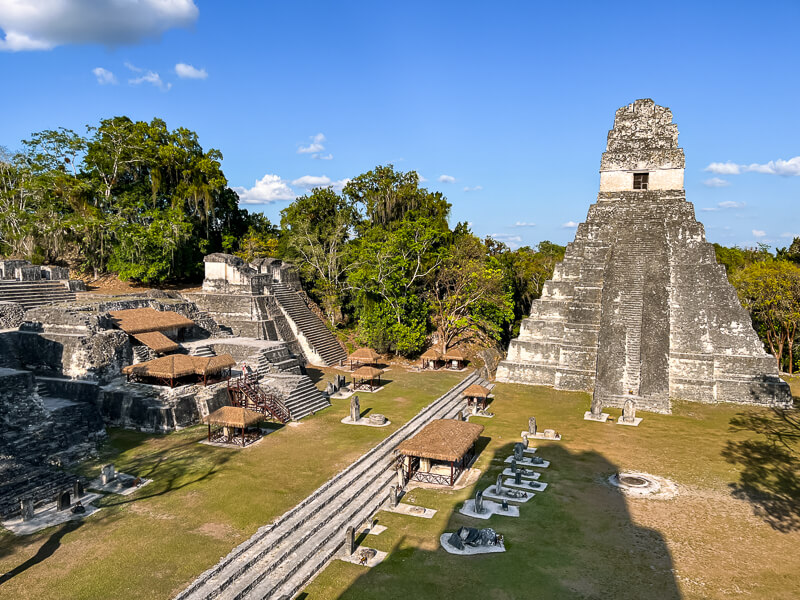
Deep in the Guatemalan jungle, Tikal’s towering pyramids rise above the canopy. Once a powerful Mayan city, Tikal is renowned for its stelae, temples, and abundant wildlife.
- Tips: Stay overnight in the park to catch sunrise or sunset from atop Temple IV. Listen for howler monkeys as you explore.
10. Borobudur, Indonesia
Borobudur is the world’s largest Buddhist temple, built in the 9th century. Its nine stacked platforms are adorned with over 2,600 relief panels and 500 Buddha statues, offering panoramic views of volcanic peaks.
- Tips: Visit at sunrise for tranquility and stunning vistas. Dress modestly and respect the temple’s sacredness.
Tips for Exploring Ancient Ruins
- Do Your Homework: Read about the history and significance of the site before you go.
- Hire a Local Guide: Guides bring ruins to life with stories, legends, and insights you won’t find in guidebooks.
- Respect the Site: Don’t climb on fragile structures, touch ancient carvings, or remove artifacts.
- Dress Appropriately: Many sites are religious or sacred—cover shoulders and knees as a sign of respect.
- Stay Hydrated and Protected: Bring water, sunscreen, and a hat, especially in hot climates.
- Be Patient: Popular ruins can be crowded. Arrive early or late, and take your time to soak in the atmosphere.
- Capture Memories: Take photos, but also pause to appreciate the moment without a lens.
The Deeper Meaning of Ancient Ruins
Visiting ancient ruins is not just about sightseeing—it’s about connecting with the human story. These sites remind us of our shared heritage, the rise and fall of civilizations, and the enduring quest for meaning. They inspire awe, humility, and curiosity, challenging us to reflect on our own place in history.
Preserving the Past for the Future
Tourism can help fund the preservation of ancient sites, but it can also threaten them through overcrowding and neglect. As travelers, we have a responsibility to:
- Follow Rules and Guidelines: Stay on marked paths and obey site regulations.
- Support Conservation Efforts: Choose tours and organizations that prioritize preservation.
- Educate Others: Share the importance of protecting our global heritage.
Conclusion
Exploring ancient ruins is a journey through time, culture, and imagination. Whether you’re marveling at the engineering of the pyramids, wandering lost cities in the jungle, or contemplating the mysteries of Stonehenge, these experiences enrich our understanding of the world and ourselves. So pack your curiosity, respect the past, and embark on an adventure that will echo through the ages. The ruins are waiting—what stories will you discover?
 English