



Exploring Local Cuisine: A Food Lover’s Guide
Traveling is not just about seeing new places—it’s about tasting them. Local cuisine is a window into a region’s history, culture, and way of life. For food lovers, every journey is an opportunity to expand the palate, discover new flavors, and connect with people through the universal language of food. Whether you’re savoring street food in Southeast Asia, dining at a family-run trattoria in Italy, or joining a cooking class in Morocco, exploring local cuisine can be the highlight of any trip. This comprehensive guide will help you make the most of your culinary adventures, from street stalls to fine dining, and everywhere in between.
Why Local Cuisine Matters
- Cultural Connection: Food reflects a region’s traditions, climate, and values. Sharing a meal is one of the most authentic ways to connect with locals.
- History on a Plate: Many dishes have fascinating stories—born from migration, trade, or necessity.
- Sensory Adventure: Local cuisine introduces you to new aromas, textures, and tastes you can’t find at home.
- Supporting Communities: Eating local means supporting small businesses, farmers, and artisans.
How to Find Authentic Local Food
1. Follow the Locals

The best food is often found where locals eat. Look for busy restaurants, crowded market stalls, or long lines—these are signs of quality and authenticity.
2. Visit Markets
Markets are the heart of local food culture. Here you can sample fresh produce, regional specialties, and street snacks, all while soaking up the atmosphere.
3. Ask for Recommendations
Don’t be shy—ask hotel staff, taxi drivers, or shopkeepers where they eat. Locals know the best spots and hidden gems.
4. Take a Food Tour
Guided food tours offer insider access to a city’s culinary scene. You’ll learn about ingredients, cooking methods, and the stories behind the dishes.
5. Try Street Food
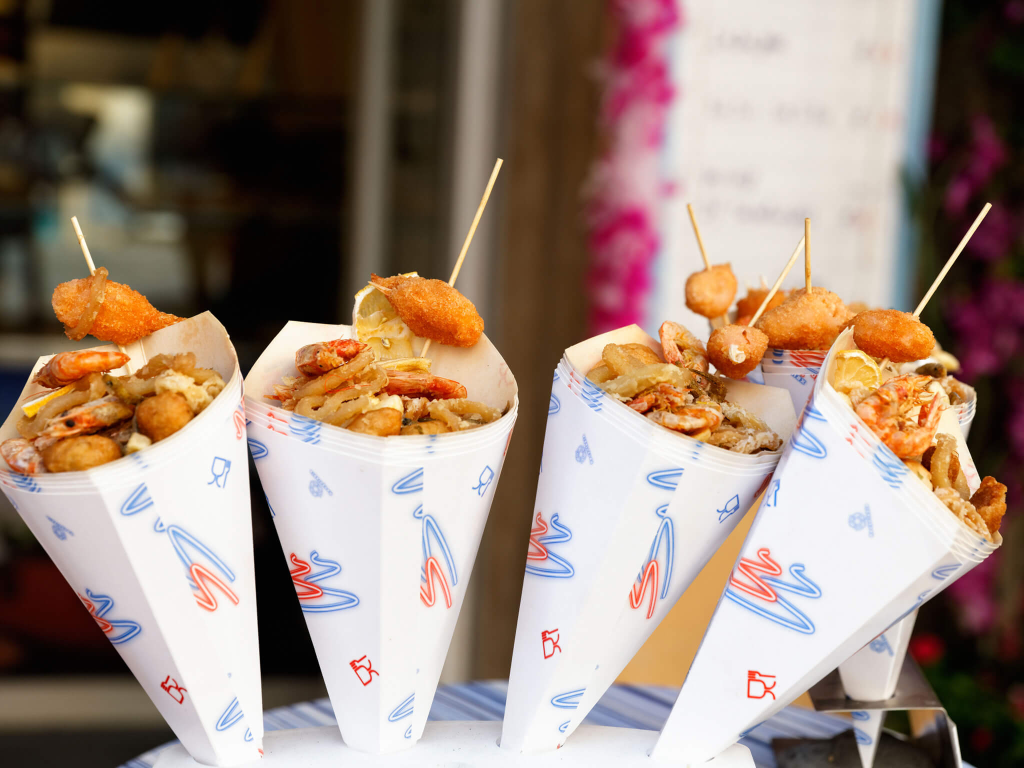
Street food is often the most flavorful and affordable way to experience local cuisine. It’s fast, fresh, and made for locals, not just tourists.
Must-Try Local Dishes Around the World
1. Italy: Pasta Carbonara in Rome
Classic Roman carbonara is creamy, rich, and made with just a handful of ingredients—eggs, Pecorino Romano cheese, guanciale (cured pork cheek), and black pepper. Skip the cream; the real magic is in the technique.
2. Japan: Sushi in Tokyo
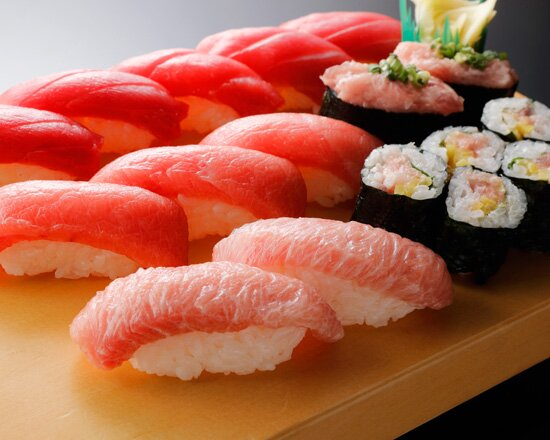
Savor melt-in-your-mouth nigiri at a sushi bar, or try conveyor-belt sushi for a fun, casual experience. Don’t miss local specialties like uni (sea urchin) or tamago (sweet omelet).
3. Vietnam: Pho in Hanoi
This fragrant noodle soup is a Vietnamese breakfast staple. Each bowl is a balance of savory broth, tender beef or chicken, fresh herbs, and rice noodles.
4. Mexico: Tacos al Pastor in Mexico City
Tacos al pastor are made with marinated pork, cooked on a vertical spit and served with pineapple, onions, and cilantro. Eat them standing at a busy taqueria for the full experience.
5. Morocco: Tagine in Marrakech
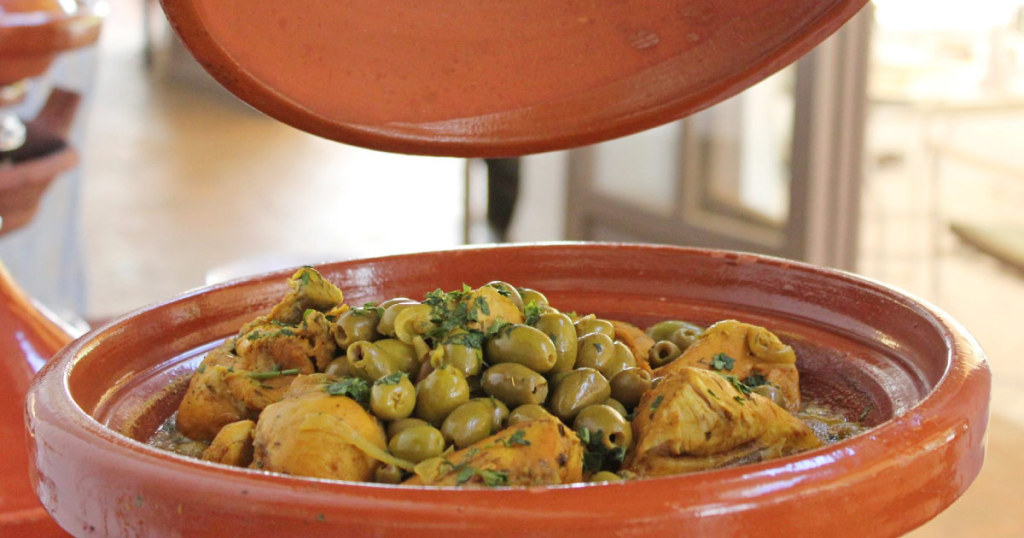
A slow-cooked stew of meat, vegetables, and spices, tagine is named after the clay pot it’s cooked in. Try lamb with prunes or chicken with preserved lemon and olives.
6. Thailand: Pad Thai in Bangkok
Thailand’s most famous noodle dish is a symphony of sweet, sour, salty, and spicy flavors. Enjoy it from a street vendor, topped with peanuts and lime.
7. France: Bouillabaisse in Marseille
This Provençal fish stew is a celebration of the Mediterranean Sea. Saffron, garlic, and local seafood create a rich, aromatic broth.
8. India: Thali in Rajasthan
A thali is a platter of small dishes—curries, vegetables, bread, rice, and pickles—offering a taste of India’s incredible diversity in one meal.
9. Peru: Ceviche in Lima
Fresh fish cured in lime juice, mixed with onions, chili, and cilantro, ceviche is bright, bold, and refreshing. Pair it with sweet potato and corn for a traditional touch.
10. Spain: Pintxos in San Sebastián
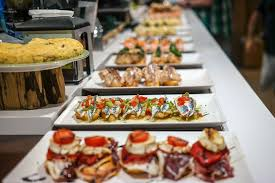
Pintxos are bite-sized snacks served on bread, topped with everything from anchovies to grilled peppers. Hop from bar to bar, sampling the local specialties.
How to Eat Like a Local
1. Learn the Etiquette
Every country has its own dining customs—whether it’s using chopsticks, eating with your hands, or following a sequence of courses. Observe and ask questions to show respect.
2. Try Something New
Be adventurous! Some of the best food memories come from trying dishes you’ve never heard of before.
3. Eat Seasonally
Seek out dishes made with seasonal ingredients. Not only is it fresher, but it’s also more sustainable and flavorful.
4. Join a Cooking Class
Taking a cooking class is a fun way to learn about local ingredients and techniques. Plus, you’ll bring home new skills to impress your friends.
5. Share Meals
Many cultures value communal dining. Sharing dishes is a great way to sample more flavors and connect with others.
Navigating Dietary Restrictions
If you have allergies or dietary restrictions, prepare a translation card explaining your needs in the local language. Research typical dishes in advance and don’t hesitate to ask questions.
Food Safety Tips
- Eat Where It’s Busy: High turnover means fresher food.
- Watch It Cook: Choose stalls or restaurants where you can see your food being prepared.
- Drink Bottled Water: In places where tap water isn’t safe, stick to bottled or filtered water.
- Wash Your Hands: Carry hand sanitizer, especially when eating street food.
Making Food Memories Last
- Take Photos: Capture the colors and creativity of local dishes.
- Buy Local Ingredients: Bring home spices, sauces, or snacks to relive the flavors.
- Keep a Food Journal: Note your favorite dishes, recipes, and stories from the road.
- Share the Experience: Invite friends to try international recipes or host a themed dinner party.
Conclusion
Exploring local cuisine is one of the most rewarding aspects of travel. It’s a journey for the senses, a bridge to new cultures, and a source of endless discovery. Whether you’re sampling street food in a bustling market or savoring a home-cooked meal in a remote village, every bite brings you closer to the heart of a place. So pack your appetite, embrace the unknown, and let your taste buds lead the way—your next great adventure might just be on a plate.
 English