




How to Overcome Language Barriers Abroad
Traveling abroad is one of the most rewarding ways to expand your horizons, but it often comes with the challenge of communicating in a foreign language. Whether you’re navigating the streets of Tokyo, ordering food in Paris, or asking for directions in rural Peru, language barriers can feel daunting. However, overcoming these obstacles is not only possible—it can also lead to some of the most memorable and meaningful moments of your journey. In this comprehensive guide, we’ll explore practical strategies, helpful tools, and mindset shifts to help you overcome language barriers and connect authentically with people wherever you go.
1. Embrace a Positive Mindset

See Language Barriers as Opportunities
Instead of viewing language differences as a problem, approach them as an adventure. Every attempt to communicate is a chance to learn, laugh, and connect. Locals usually appreciate your efforts, no matter how imperfect.
Be Patient and Open-Minded
Misunderstandings will happen. Stay patient, keep your sense of humor, and don’t be afraid to make mistakes. Often, a smile and a willingness to try go further than perfect grammar.
2. Prepare Before You Go
Learn Key Phrases
Mastering a few essential phrases in the local language can make a huge difference. Focus on greetings, polite expressions, and practical questions, such as:
- Hello, goodbye, please, thank you
- Excuse me, I’m sorry
- Do you speak English?
- How much does this cost?
- Where is…?
- Can you help me?
Download Language Apps
Apps like Google Translate, Duolingo, and iTranslate can help you learn and translate on the go. Download offline language packs for areas with limited internet access.
Carry a Phrasebook
A small phrasebook or a printed sheet of common phrases can be a lifesaver, especially in remote areas.
3. Use Technology to Your Advantage

Translation Apps
Google Translate and similar apps can translate text, speech, and even images (like menus or signs). Use the voice function for conversations or the camera for instant translation of written language.
Language Learning Platforms
Apps like Babbel, Rosetta Stone, or Memrise can help you learn basic language skills before your trip.
Offline Maps and Guides
Download maps and travel guides in advance, as they often include helpful vocabulary and pronunciation guides.
4. Communicate Beyond Words
Use Gestures and Body Language
Non-verbal communication is universal. Pointing, miming, and using facial expressions can help you get your message across. Just be aware that some gestures have different meanings in different cultures.
Draw or Write
If words fail, draw a picture or write down numbers and addresses. Visual aids can bridge gaps quickly.
Show, Don’t Tell
Show photos of your destination, food preferences, or hotel address on your phone.
5. Speak Clearly and Simply
Use Simple Sentences
Avoid slang, idioms, and complex grammar. Speak slowly and clearly, using basic words and short sentences.
Repeat and Rephrase
If you’re not understood, try rephrasing your question or using synonyms.
Listen Actively
Pay attention to tone, gestures, and context. Sometimes, the answer is in how something is said, not just the words.
6. Ask for Help
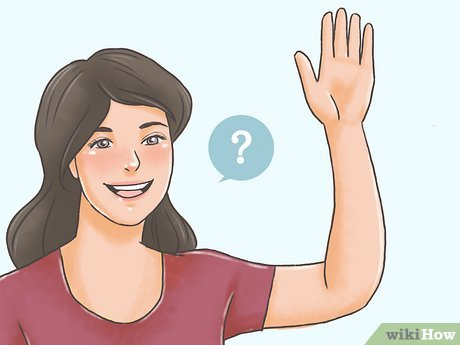
Seek Out Multilingual Locals
Hotel staff, tour guides, and young people are more likely to speak English or another common language. Don’t hesitate to ask for assistance.
Use Written Instructions
Have important information—like your hotel address or key destinations—written in the local language to show taxi drivers or ask for directions.
7. Practice Cultural Sensitivity
Learn About Local Customs
Understanding cultural norms can help you avoid misunderstandings. For example, in some countries, direct eye contact or certain gestures may be considered rude.
Be Respectful
Even if you’re struggling to communicate, showing respect and patience goes a long way. Always greet people politely and thank them for their help.
8. Take Language Classes
Enroll in a Short Course
Many destinations offer short language courses for travelers. Even a few hours of instruction can boost your confidence and vocabulary.
Join Language Exchanges
Participate in language exchange meetups, where you can practice with locals who want to learn your language.
9. Travel with a Buddy

If you’re traveling with someone who speaks the local language, rely on their skills but also try to learn and participate. It’s a great way to build your own confidence.
10. Don’t Fear Mistakes—Celebrate Them!
Some of the best travel stories come from language mishaps. Laugh at your mistakes, learn from them, and remember that communication is about connection, not perfection.
Real-World Examples
- Ordering Food in a Market: Use gestures, point to what others are eating, or show a picture of a dish on your phone.
- Asking for Directions: Show your map or address to a local. If they don’t understand, try another person—someone will usually help.
- Shopping: Use a calculator or write down numbers to negotiate prices.
- Emergencies: Carry a card with important medical information translated into the local language.
The Benefits of Overcoming Language Barriers
- Deeper Connections: Locals appreciate your effort and may open up more when you try their language.
- Cultural Insight: Learning a language gives you a window into local customs, humor, and ways of thinking.
- Personal Growth: Navigating language challenges builds confidence, resilience, and adaptability.
Conclusion
Overcoming language barriers abroad is not about speaking perfectly—it’s about making an effort, being creative, and showing respect for the people you meet. With preparation, the right tools, and a positive attitude, you can turn every language challenge into an opportunity for connection and discovery. So pack your phrasebook, open your mind, and get ready to experience the world in a whole new way—one conversation at a time.
 English