



Unique Cultural Experiences Around the Globe
Travel is more than just sightseeing—it’s about immersing yourself in the customs, traditions, and daily rhythms that define a place. Unique cultural experiences offer a deeper understanding of the world and foster connections that transcend language and borders. Whether you’re sharing a meal with locals, participating in ancient rituals, or learning a traditional craft, these moments become the most memorable parts of any journey. In this article, we’ll explore some of the most fascinating cultural experiences around the globe and provide tips on how to seek them out and engage respectfully.
1. Participating in a Japanese Tea Ceremony
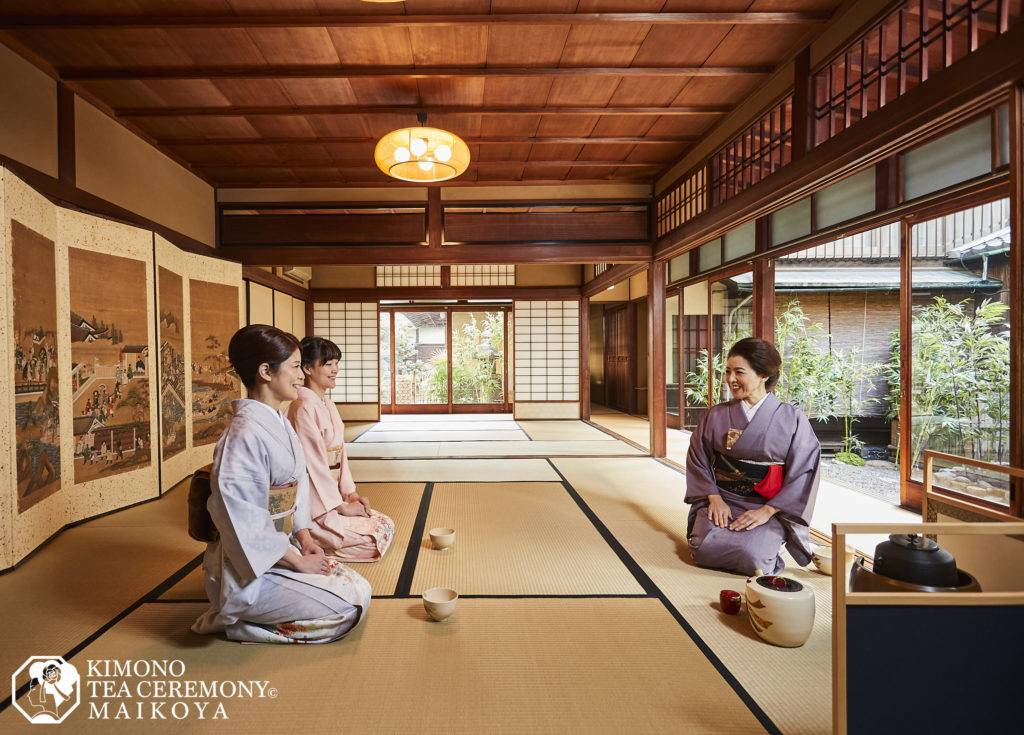
Where: Japan
Why It’s Special:
The Japanese tea ceremony, or “chanoyu,” is a centuries-old ritual that embodies harmony, respect, purity, and tranquility. Guests are invited into a tatami-mat room, where every gesture—from the folding of the napkin to the whisking of the matcha—is deliberate and meaningful. It’s not just about drinking tea but about appreciating the moment and the company.
How to Experience:
Many temples and teahouses in Kyoto and Tokyo offer tea ceremony experiences for visitors. Book in advance and be prepared to follow etiquette, such as bowing and sitting in seiza (kneeling position).
2. Attending a Traditional Berber Wedding in Morocco
Where: Morocco (Atlas Mountains, rural villages)
Why It’s Special:
Berber weddings are vibrant, multi-day affairs filled with music, dance, henna painting, and feasting. Guests often wear traditional clothing and participate in age-old rituals that celebrate community and family.
How to Experience:
While attending a private wedding may not be possible for tourists, some Berber villages offer cultural immersion programs or festivals where you can witness wedding customs and participate in pre-wedding celebrations.
3. Joining a Maori Hangi Feast in New Zealand
Where: New Zealand (Rotorua, North Island)
Why It’s Special:
The Maori “hangi” is a traditional method of cooking food in an earth oven. Guests are welcomed with a “powhiri” (greeting ceremony), followed by storytelling, music, and dance. The meal—meat and vegetables slow-cooked over hot stones—is a highlight.
How to Experience:
Cultural centers and marae (meeting grounds) in Rotorua offer hangi feasts and performances. Respect Maori customs by following your hosts’ guidance.
4. Celebrating Holi in India
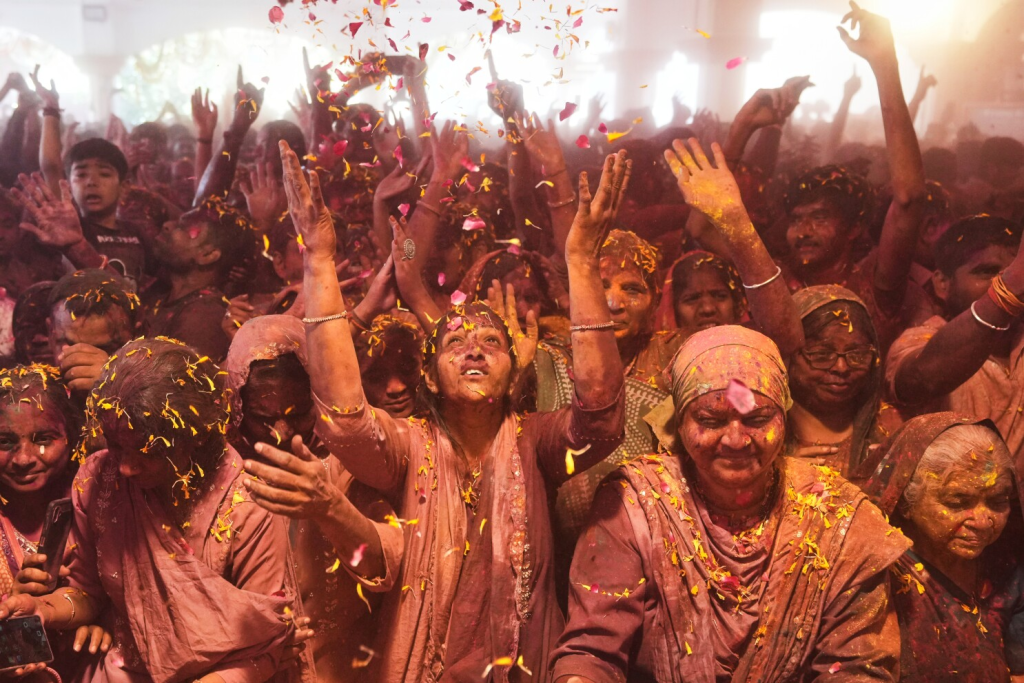
Where: India (Mathura, Vrindavan, Jaipur, Delhi)
Why It’s Special:
Holi, the Festival of Colors, marks the arrival of spring and the triumph of good over evil. Participants throw colored powders, dance, sing, and share sweets in a joyous, communal celebration.
How to Experience:
Join public Holi celebrations in cities known for their festivities. Wear old clothes, protect your eyes, and be ready to get messy!
5. Learning Flamenco in Spain
Where: Spain (Andalusia—Seville, Granada, Jerez)
Why It’s Special:
Flamenco is more than a dance—it’s a passionate expression of Andalusian culture, blending music, song, and movement. Watching a live flamenco show or taking a dance class offers insight into Spain’s soul.
How to Experience:
Book a flamenco show in a traditional “tablao” or join a beginner’s dance workshop. Many cities also host flamenco festivals.
6. Taking Part in a Native American Powwow
Where: United States (Southwest, Great Plains, Pacific Northwest)
Why It’s Special:
Powwows are gatherings that celebrate Native American culture through drumming, dancing, singing, and storytelling. They are both social and spiritual events, open to visitors who wish to learn and respect traditions.
How to Experience:
Check local event calendars for public powwows. Always ask before taking photos and follow protocols for guests.
7. Cooking with a Local Family in Italy
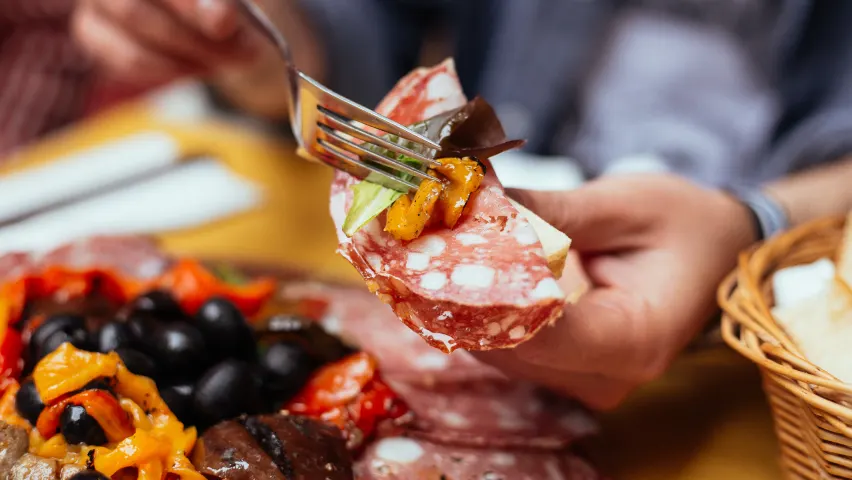
Where: Italy (Tuscany, Sicily, Emilia-Romagna)
Why It’s Special:
Italian cuisine is at the heart of the country’s culture. Joining a cooking class or sharing a meal with a local family reveals the secrets of pasta, sauces, and regional specialties.
How to Experience:
Book a home-cooking experience through travel platforms or local tourism offices. Come hungry and ready to share stories!
8. Observing the Day of the Dead in Mexico
Where: Mexico (Oaxaca, Mexico City, Michoacán)
Why It’s Special:
Día de los Muertos is a vibrant celebration honoring departed loved ones. Families create altars, decorate graves, and parade with skull masks and marigolds. The festival is a blend of indigenous and Catholic traditions.
How to Experience:
Visit during late October to early November. Join public parades, visit cemeteries, and sample traditional foods like pan de muerto.
9. Bathing in a Turkish Hammam

Where: Turkey (Istanbul, Bursa, Antalya)
Why It’s Special:
The hammam, or Turkish bath, is a centuries-old tradition of cleansing and relaxation. The ritual involves steam, exfoliation, massage, and socializing in beautiful, domed bathhouses.
How to Experience:
Choose a historic hammam and follow the etiquette—bathing suits may be required, and men and women often bathe separately.
10. Participating in a Coffee Ceremony in Ethiopia
Where: Ethiopia (Addis Ababa, rural villages)
Why It’s Special:
Ethiopia is the birthplace of coffee, and the coffee ceremony is a cornerstone of social life. The ritual involves roasting beans, brewing, and sharing three rounds of coffee, each symbolizing a blessing.
How to Experience:
Many guesthouses and tours offer coffee ceremonies. Accepting an invitation is a sign of respect and friendship.
Tips for Engaging in Cultural Experiences
- Do Your Homework: Learn about the customs, etiquette, and history before participating.
- Be Respectful: Dress appropriately, ask permission before taking photos, and follow your hosts’ lead.
- Participate, Don’t Spectate: Engage with an open mind and heart—try the food, join the dance, ask questions.
- Support Local Communities: Choose experiences that benefit local people and preserve traditions.
- Reflect and Share: Afterward, think about what you learned and share your experience with others.
How to Find Authentic Cultural Experiences
- Stay with Locals: Homestays, farm stays, and community-based tourism offer immersive opportunities.
- Hire Local Guides: They provide insider knowledge and access to off-the-beaten-path experiences.
- Attend Festivals and Events: Time your visit to coincide with local celebrations.
- Take Classes: Learn traditional crafts, music, or cooking.
- Volunteer: Join community projects to give back while learning.
Conclusion
Unique cultural experiences are the heart of meaningful travel. They challenge our assumptions, foster empathy, and create memories that last a lifetime. By seeking out and engaging in authentic traditions, you’ll not only enrich your own journey but also contribute to the preservation of the world’s diverse heritage. So next time you travel, go beyond the guidebook—immerse yourself, connect, and let the world’s cultures inspire you.
 English